- By Dr. Angelique A. Cohen, M.D (Otolaryngologist)
- Medically reviewed by Dr. Robert H. Oliver, M.D (Otolaryngologist)
Many adults with persistent daytime sleepiness choose to buy modafinil online for wakefulness support in narcolepsy OSA and sleep-wake disorders. Modafinil is used in adults who need more stable daytime alertness because sleep-related symptoms interfere with normal function. It is most often discussed in connection with narcolepsy obstructive sleep apnea and other disorders that disrupt the sleep-wake cycle. The medication is valued for its practical effect on wakefulness and for dosing that can be adjusted to the clinical situation.
How Modafinil (Provigil) Treats Excessive Sleepiness
Modafinil is used when a person cannot stay awake normally during the day. This is not the same as ordinary tiredness after a busy day. It is a real symptom that can happen with narcolepsy, sleep apnea, or shift work, when the body’s normal sleep schedule is constantly disrupted.
The drug helps the brain stay alert for longer. It works on chemicals involved in wakefulness, especially dopamine, and also affects other systems linked to attention and staying awake. Because of that, modafinil usually feels smoother than classic stimulants. It does not usually create a sudden rush of energy. Instead, it helps reduce the strong urge to fall asleep and makes it easier to stay focused and functional during the day.
Its effect usually starts within 30 to 60 minutes after taking a dose and may last about 10 to 12 hours. Research in healthy volunteers has shown improvements in working memory and planning, but in practice modafinil is most useful for people with diagnosed sleep disorders that cause daytime sleepiness.
Is Modafinil a Controlled Substance?
Modafinil is considered a Schedule IV controlled substance in the United States. That means it has an accepted medical use, but it is still regulated because it can be misused in some situations or lead to dependence in some patients. The risk is lower than with Schedule II or III medications, but it is not treated like an ordinary prescription drug.
For patients, the main difference is in how the medication is prescribed and dispensed. You cannot buy Modafinil without a prescription from a licensed clinician who is authorized to prescribe controlled substances. This applies whether you fill it at a neighborhood pharmacy, through a mail-order service, or on an online platform. The setting may change, but the legal requirement does not.
Refills also tend to be handled more carefully than they are with standard non-controlled medications. Pharmacies may not allow early refills, and the prescription itself may only stay active for a limited time. Because of that, it is worth keeping an eye on how many tablets you have left and requesting a refill before you are close to running out. For patients who take Modafinil regularly, especially for narcolepsy or other diagnosed sleep disorders, a little planning can help prevent unnecessary interruptions in treatment.
- A valid U.S. prescription is required every time — no refills without a renewed prescription in many states.
- Prescriptions may not be transferred between pharmacies in some states.
- Early refills are commonly restricted — plan ahead to avoid running out.
- Any site offering modafinil without a prescription requirement is operating outside federal law.
How to Buy Modafinil Online Safely
The most reliable way to buy Modafinil online is through a licensed telehealth service that connects patients with a DEA-registered clinician. People searching for where to buy Modafinil online legally usually come back to the same rule: you need a valid U.S. prescription from a licensed medical provider. During the consultation, the clinician looks at your symptoms, medical history, and any factors that could affect treatment. If Modafinil is appropriate, an electronic prescription can be sent to a licensed U.S. pharmacy. For many patients, this can now be done remotely, without going to a doctor’s office, but the medical review still needs to happen first.
How Much Does Modafinil Cost Online?
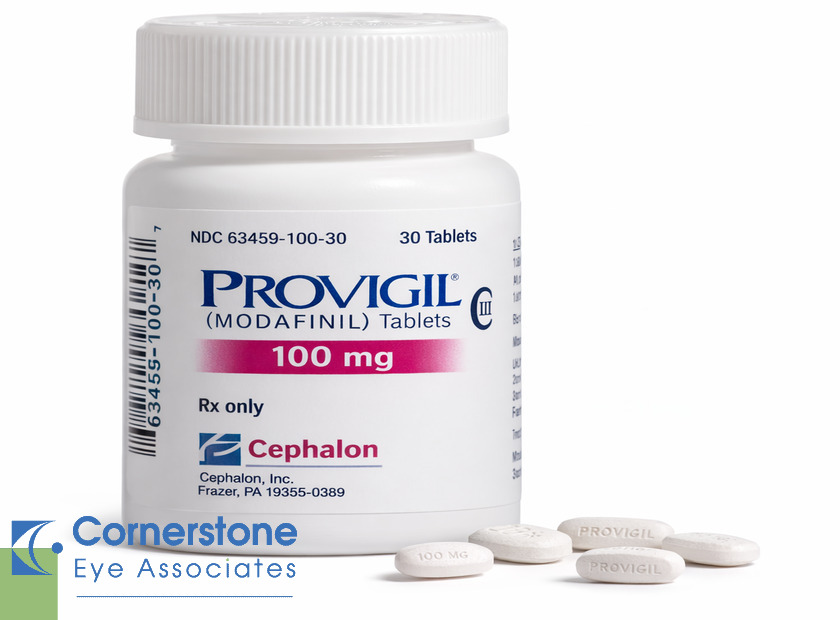
The price of Modafinil online can vary quite a bit. Usually, it comes down to three things: whether you choose brand-name Provigil or the generic version, which pharmacy you use, and how large your order is. Provigil is usually the more expensive option. Without insurance, a standard 30-tablet supply can cost more than $900. Generic Modafinil is far more affordable and may cost around $30 to $80 per month when discount programs such as GoodRx are used at major retail pharmacies.
Licensed online pharmacies can sometimes offer a better price per tablet, especially when patients order a larger supply. For example, 360 tablets of 200 mg may cost $316.80, which works out to about $0.88 per tablet. For people who already take Modafinil regularly, a 90-day or 180-day supply often makes more sense than filling smaller orders again and again. It can lower the overall cost and make treatment easier to manage over time.
Provigil vs Generic Modafinil
Generic Modafinil has an FDA AB rating, which means it is considered equivalent to brand-name Provigil in the ways that matter clinically. It contains the same active ingredient, comes in the same strengths, and is expected to produce the same therapeutic effect. Both versions are made under the same FDA quality standards. For most patients, the real difference is usually the price, not the performance.
That is why many patients choose the generic version unless there is a specific reason to stay with the brand. Asking for generic Modafinil instead of Provigil is often one of the easiest ways to reduce out-of-pocket cost when you buy Modafinil online or fill the prescription at a retail pharmacy. Some patients also prefer mail-order service because it is simpler to manage over time. In those cases, a larger 90-day supply can make the whole modafinil buy more convenient and more economical.
Our Physicians

Modafinil (Provigil) in Obstructive Sleep Apnea
Modafinil is FDA-approved for excessive daytime sleepiness in people with obstructive sleep apnea. But it does not replace the main treatment. It is used as an add-on when the airway problem is already being treated. In practice, that usually means CPAP stays the foundation of care. Modafinil is considered only when a patient still feels unusually sleepy during the day despite proper treatment.
Obstructive sleep apnea affects sleep because the airway keeps collapsing during the night. These episodes may be brief. A person may not fully wake up each time. Even so, the brain is pulled out of deeper sleep again and again. That is why many patients wake up feeling unrefreshed. They may stay foggy, slow, and sleepy during the day. Concentration becomes harder. Driving may feel less safe. Even simple tasks can take more effort than they should. For most patients, regular CPAP use improves this over time. It helps restore more normal breathing during sleep.
Still, not everyone feels fully better right away. Some patients continue to have excessive daytime sleepiness even when CPAP is working well. Their breathing events may already be under good control. That is where Modafinil may help. In a study by Black and Hirshkowitz (2005) published in Chest, patients with OSA who were already using CPAP but still had residual sleepiness showed better daytime sleepiness scores with Modafinil than with placebo.
This is why Modafinil is considered a reasonable next-step option for some patients with OSA. It may help when they remain sleepy despite good CPAP adherence. It does not treat the airway obstruction itself. But it may reduce daytime sleepiness that continues even after the main sleep apnea treatment is in place. For that reason, it is usually something to discuss with a clinician who manages sleep disorders. This is especially true when CPAP use is already consistent but daytime function is still not where it should be.
Why Modafinil Does Not Replace CPAP in OSA
Modafinil can help a person stay more awake during the day. But it does not treat what happens during sleep. In obstructive sleep apnea, the airway keeps narrowing or closing overnight. That creates repeated stress on the body. Oxygen levels drop. Sleep becomes broken and less restorative. The heart and blood vessels carry that strain night after night. Over time, this is one reason untreated OSA is linked to serious long-term health risks.
That is why feeling better on Modafinil is not the same as having sleep apnea under control. A person may feel less sleepy during the day and still keep having apnea events at night if CPAP is not being used properly. Clinically, that difference matters. The goal is not just to reduce daytime sleepiness. The goal is to treat the sleep disorder itself and then address any symptoms that remain after the main treatment is in place.
For that reason, clinicians usually use Modafinil as an add-on, not as a replacement for CPAP. It may be considered when daytime sleepiness continues despite consistent CPAP use. But it is not meant to replace the treatment that keeps the airway open during the night. These therapies do different jobs, and that distinction matters.
- CPAP – prevents airway collapse, stops oxygen drops, reduces cardiovascular strain, improves sleep architecture.
- Modafinil – reduces residual daytime sleepiness in patients already on CPAP with good adherence.
- Modafinil does not prevent apnea events, does not protect the heart or brain from hypoxic stress, and does not improve sleep structure.
- Using modafinil instead of CPAP is not clinically appropriate for treating OSA.
Modafinil for Narcolepsy and Shift Work Disorder
Narcolepsy and shift work sleep disorder are the other two FDA-approved uses for Modafinil. Both conditions can cause serious daytime sleepiness, but they are not the same problem. Narcolepsy is a chronic neurological disorder, while shift work disorder happens when a work schedule keeps pushing the body out of its normal sleep-wake rhythm. That difference matters because Modafinil is used a little differently in each case.
How Modafinil Is Used in Narcolepsy
Narcolepsy is a long-term disorder in which the brain cannot regulate wakefulness properly. In many patients, it is linked to a loss of orexin-producing neurons. Orexin is one of the main brain chemicals that helps a person stay awake. It also helps keep sleep from breaking into the day at the wrong time. When this system stops working well, patients may have sudden sleep episodes and strong daytime sleepiness. Some also develop symptoms such as cataplexy, sleep paralysis, or vivid dream-like experiences when falling asleep.
In narcolepsy, Modafinil is used to help patients stay awake more steadily during the day and reduce unwanted sleep attacks. The Sleep Foundation lists Modafinil as a first-line pharmacological option for narcolepsy. It is commonly started at 200 mg in the morning. Because narcolepsy is a chronic condition, treatment is often ongoing. Follow-up visits are usually used to check response and see whether the dose still fits the patient’s needs.
Some patients, especially those with narcolepsy type 1, may also need separate treatment for cataplexy. Modafinil can help with wakefulness. But it does not do much for sudden muscle weakness triggered by emotion. In those cases, the treatment plan may include more than one medication.
How Modafinil Is Used in Shift Work Disorder
Shift work sleep disorder develops for a different reason. Here, the main issue is not a permanent brain disorder but a repeated conflict between work hours and the body’s internal clock. Night shifts and rotating schedules can make it hard to stay alert when working and hard to sleep well when the shift ends.
For this reason, Modafinil in shift work disorder is usually taken before the shift begins rather than early in the morning. A common approach is 200 mg about one hour before work, so the effect lines up with the hours when alertness is most important. Since the medication stays in the body for quite a while, some patients notice that it can make post-shift sleep harder if the timing is off. In practice, dose timing sometimes needs adjustment depending on the person’s schedule and response.
Modafinil can make night work more manageable, but it does not reset the circadian rhythm or solve the schedule problem itself. Its role is to support alertness during working hours. If a person stops doing night shifts or moves to a more regular routine, sleep often improves on its own without long-term medication in the way narcolepsy usually requires.
How Is the Right Modafinil Dose Selected?
The standard approved dose is 200 mg once daily. For most patients, that is also the upper practical limit. Going higher usually does not create more wakefulness. It mostly increases the chance of side effects.
That said, 200 mg is not the only reasonable starting point. A 100 mg dose can make sense in several situations. It may be a better fit for patients who are sensitive to stimulant-type medications. It can also be useful for people who already склонны to anxiety or higher blood pressure. The same applies to older adults, especially when drug clearance may be slower. Some patients also prefer to start lower simply to see how Modafinil feels before moving to the full dose. Starting at 100 mg gives the clinician useful information too. If that lower dose already causes insomnia, palpitations, or restlessness, that matters when deciding what to do next.
Two factors often matter more than patients expect. The first is timing. Modafinil has a half-life of about 15 hours. So a tablet taken at noon may still be active at 3 a.m. Because of that, insomnia on Modafinil is often a timing issue rather than a true dose issue. In many cases, taking it earlier solves the problem. The second factor is the reason it is being used. A patient with narcolepsy who takes it every morning has different needs from someone with shift work disorder who uses it only before work shifts.
According to the official Provigil prescribing information, doses up to 400 mg per day were generally well tolerated in clinical trials. At the same time, there was no clear and consistent evidence that 400 mg worked better than 200 mg. In simple terms, a higher dose does not automatically mean a better result. What often increases instead is the risk of side effects. That matters for patients who feel the standard dose is not enough and assume more will work better. In many cases, the better next step is to speak with a clinician about timing, consistency, or whether the underlying sleep disorder is being managed properly.
Side Effects Warnings and Interactions That Matter
Modafinil is generally well tolerated, and many people use it without major problems. When side effects do happen, they are usually mild and easier to manage than patients expect. The most common complaints are headache, nausea, trouble sleeping, feeling a bit more anxious than usual, or noticing a lower appetite. In many cases, these effects are linked to timing, dose, hydration, or taking the tablet on an empty stomach rather than to a serious problem with the medication itself.
- Headache is the most common issue and is often mild. It may feel worse if you have not eaten much or have been slightly dehydrated.
- Nausea can happen, especially early on, but many patients do better when Modafinil is taken with a light meal.
- Insomnia is more likely when the dose is taken too late in the day.
- Anxiety or restlessness may appear in some patients, particularly at higher doses.
- Reduced appetite is also reported, though it is usually mild and does not affect everyone.
- Any new rash, blistering, or skin peeling should be taken seriously. Rare but severe skin reactions have been reported and need prompt medical attention.
- Mood or behavior changes such as unusual agitation, hallucinations, or manic symptoms also need quick review, especially in people with a personal or family history of bipolar disorder or psychosis.
- Hormonal birth control may become less reliable while taking Modafinil because the medication can speed up how those hormones are broken down.
- Other medicines matter too. Drugs such as cyclosporine, warfarin, and some psychiatric medications may need closer monitoring or dose adjustment.
One of the most important practical issues is contraception. Modafinil can make estrogen-based hormonal birth control less effective, so this needs to be discussed before treatment starts. That precaution usually continues for at least one month after stopping the medication. It is also a good idea to review your full medication list before filling a prescription, including over-the-counter products and supplements, because interactions are not limited to prescription drugs alone.
About The Author

Dr. Angelique A. Cohen, M.D. is a board-certified otolaryngologist (ENT) based in Victor, New York, with nearly three decades in ear, nose, and throat medicine and academic otolaryngology. Her clinical focus spans sinus and nasal disorders, hearing loss, throat and tonsil conditions, and sleep-related breathing concerns. She serves as an Associate Professor of Clinical Otolaryngology and Chief Quality Officer, combining hands-on ENT care with a sustained focus on quality and patient safety.
Disclaimer
The information provided on this page is intended for general educational purposes only and does not constitute medical advice, diagnosis, or treatment. Health conditions, symptoms, and treatment responses vary significantly between individuals, and there is no universal approach suitable for every patient.
Medical decisions should only be made in consultation with a licensed healthcare professional who can evaluate your medical history, current medications, underlying conditions, and individual risk factors. Information on this page should not be used to determine treatment plans, medication selection, dosage, or to assess potential medication interactions.
This content is not a substitute for professional medical care. Before starting, modifying, or discontinuing any medication or therapy, you should seek guidance from a qualified physician, pharmacist, or other licensed clinician who can provide personalized medical advice based on a proper clinical assessment.
If you have questions or concerns regarding your health, treatment options, or medications, always consult a licensed medical professional.
Related Pages