Buy Gabapentin online for nerve pain seizures and shingles relief with a gabapentinoid that calms the overactive nerves driving chronic body pain. Researchers first built it to tame seizures and uncovered its hold over nerve pain only afterward. Pain teams now keep it near the top of their list for damaged-nerve conditions. The same daily dose can serve very different diagnoses without a switch in medicine.
By Dr. Andrew Stern, MD (Neurology) · Medically reviewed by Dr. Cayla Vila, MD (Neurology)
What Gabapentin Is and How It Works
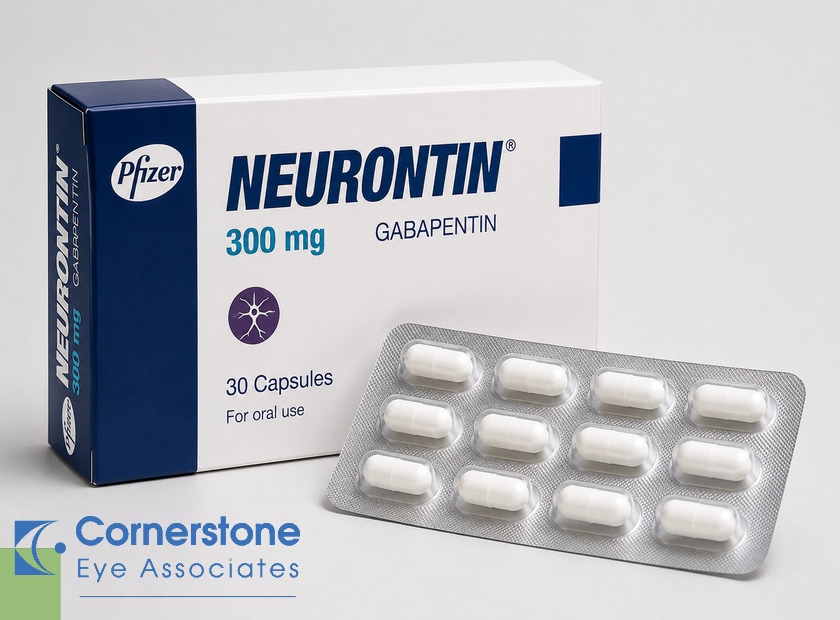
Gabapentin is a prescription medication from the gabapentinoid class. Doctors have used it since the early 1990s. The generic version became available in the United States in 2004, which made treatment much more affordable for many patients. You may also see it sold under the brand names Neurontin, Gralise, and Horizant.
These names may look similar, but they do not always work the same way. Neurontin is the standard immediate-release form of gabapentin. Gralise releases the medicine more slowly and is used for postherpetic neuralgia. Horizant is different again, because the body first converts it into active gabapentin. This is why the exact form should be chosen by a clinician, not guessed from the name on the box.
Gabapentin helps by calming nerve signals that have become too active. In nerve pain, those signals can keep firing even when there is no fresh injury. The result may feel like burning, shooting pain, tingling, or sharp electric-like discomfort. Gabapentin does not block pain in the same way as a simple painkiller. Instead, it makes irritated nerves less reactive over time.
This same effect also explains its role in some seizure disorders. The medicine influences how messages move through the nervous system. More specifically, it acts on calcium channels involved in nerve communication. When those signals slow down, pain and abnormal electrical activity may become easier to control. The effect is usually gradual, so patients should not expect instant relief after the first dose.
The body removes gabapentin mainly through the kidneys. The liver does not break it down in a major way. Because of this, kidney function is important when choosing the right dose. People with reduced kidney function may need a lower amount or a different schedule. Food usually has only a small effect on how the medicine is absorbed. For a plain-language medical overview, the National Library of Medicine provides a helpful patient page on MedlinePlus.
Most treatment plans use regular dosing rather than one large dose at random. This helps keep the medicine level more stable during the day. Patients who search for buy Gabapentin online should also understand the safety rule behind access: gabapentin still requires a valid prescription and proper medical review. The goal is not only to receive the medication, but to use the right form, dose, and schedule safely.
FDA Approved and Off-Label Gabapentin Uses
Gabapentin is used in two main ways. Some uses are officially approved by the FDA. Others are off-label, which means a clinician may prescribe it when the medical reasoning is sound, even if that exact use is not listed in the original approval. This distinction matters for patients. It helps explain when the evidence is strongest, when the decision needs more individual judgment, and why a prescription review is still required. People who search for “Buy Gabapentin online” should understand this first: online access is only appropriate when a licensed provider confirms that gabapentin fits the condition being treated.
The approved uses are narrow, but important. They focus mainly on seizure control and nerve pain after shingles. Off-label use is broader and often involves other types of nerve-related pain. In both cases, the goal is the same: to calm abnormal nerve activity and reduce symptoms that ordinary pain relievers may not control well.
FDA Approved Uses for Seizures and Nerve Pain
The FDA has approved gabapentin for a limited group of conditions. These approvals are based on clinical studies, not only on routine medical experience. The exact use can also depend on the form of gabapentin prescribed, because immediate-release and extended-release versions are not always used in the same way.
- ✓Postherpetic neuralgia — long-lasting nerve pain that can remain after shingles in adults.
- ✓Partial-onset seizures — used as add-on treatment for adults and children aged three and older.
- ✓Restless legs syndrome — approved only for the Horizant extended-release version.
These approved uses are where gabapentin has its clearest formal backing. Postherpetic neuralgia is one of the best-known examples. The pain can feel burning, sharp, or electric, even after the shingles rash has healed. Seizure treatment is another major use, usually as part of a wider epilepsy plan rather than as a casual standalone option.
Off-label prescribing is also common with gabapentin. This does not automatically mean the use is unsafe or experimental. It means the FDA approval does not specifically list that condition. A clinician still has to judge whether the expected benefit is reasonable for the patient in front of them.
- ✓Diabetic nerve pain in the feet, legs, or hands.
- ✓Sciatica or persistent lower back pain with a nerve-related pattern.
- ✓Fibromyalgia symptoms, especially when pain feels widespread and nerve-sensitive.
- ✓Hot flashes during menopause, when other options are not suitable.
- ✓Support in selected alcohol use disorder treatment plans.
The strength of evidence is not the same for every off-label use. Some situations are supported by more clinical experience than others. That is why the patient’s history matters. Kidney function, current medicines, age, fall risk, sleep problems, and past substance use can all affect the decision.
Gabapentin tends to make the most sense when the symptoms sound nerve-related. This type of pain often feels different from a sore muscle or a simple ache. Patients may describe burning, tingling, numbness, stabbing pain, or sudden shocks. Standard pain relievers may not work well because the problem is coming from irritated or damaged nerves rather than ordinary inflammation.
Diabetic nerve pain is a common example. High blood sugar can slowly damage small nerves, especially in the feet and hands. Gabapentin may help reduce the burning or tingling that follows, but it does not treat diabetes itself. Blood sugar control, foot care, movement, and regular follow-up remain important parts of the plan.
Results vary from person to person. Some patients feel clear relief, while others notice only a modest change. This is normal with nerve pain treatment. A provider may start with a low dose, adjust slowly, and watch both benefit and side effects. The best results usually come when gabapentin is used as part of a wider care plan, not as the only step.
Gabapentin for Anxiety and Sleep
Gabapentin is sometimes discussed in relation to anxiety and sleep problems. It is not usually the first treatment for either condition. Still, a clinician may consider it when standard options have not worked well or have caused difficult side effects. Its calming effect on nerve activity may help some patients feel less restless or physically tense.
Some patients report better sleep or a calmer body response, but results vary. For general insomnia, the benefit is often limited. That is why gabapentin should be used carefully in this setting, with a clear reason and regular follow-up.
For anxiety, doctors usually start with better-studied treatments first. These may include therapy, lifestyle changes, or approved medications. Gabapentin may be added only in selected cases. It is more of a supporting option than a main anxiety treatment. The dose also matters, because too much can cause daytime sleepiness, dizziness, or mental fog.
Sleep problems also need a wider look. A pill alone rarely fixes poor sleep for long. A steady bedtime, less late caffeine, a dark room, and fewer screens at night can make treatment work better. When gabapentin is used for sleep, providers usually aim for the lowest dose that gives a real benefit.
Telehealth can make this conversation easier to start. Patients may buy gabapentin online only after a licensed provider reviews their symptoms, medical history, and current medications. That review is important. It helps confirm whether gabapentin is a reasonable choice and whether the dose can be used safely.
Gabapentin for Eye Nerve Pain After Shingles
Shingles can sometimes affect the face and the area around the eye. When this happens, the problem is more serious than a simple skin rash. The eye may become painful, red, swollen, or sensitive to light. In some cases, nerve pain can continue even after the visible rash has healed.
This lasting pain is one reason gabapentin may be considered. The medicine does not treat the shingles virus itself. Antiviral drugs are used for that, especially in the first few days. Gabapentin is used for the nerve pain that can remain after shingles damages or irritates the nerve pathways.
Eye-area shingles needs quick medical attention. Pain, tingling, or a rash near the forehead, eyelid, or eye should not be ignored. The CDC notes that shingles on the face can reach the eye and may cause vision problems, including vision loss. Its patient overview explains this risk on the shingles symptoms page.
Doctors may use the term herpes zoster ophthalmicus when shingles affects the nerve connected to the eye. This condition often requires both antiviral treatment and eye care. An ophthalmologist may be involved to protect vision, while the main clinician helps manage pain and follow-up treatment.
Shingles Pain and Postherpetic Neuralgia
Postherpetic neuralgia, or PHN, is nerve pain that stays after shingles. It can feel burning, sharp, deep, or electric-like. Gabapentin has an FDA-approved role in treating this type of pain in adults. That makes it one of the better-established options for PHN.
Treatment works best when shingles is recognized early. Antiviral medicine is usually most helpful when started within about three days after the rash appears. Gabapentin may then be used to reduce lingering nerve pain. It usually takes time to show its full effect, so steady dosing and follow-up matter.
Older adults have a higher risk of PHN. The pain can last for months if the nerves remain irritated. Gabapentin may help make daily symptoms more manageable, but it should be part of a careful plan. The dose, kidney function, other medicines, and fall risk all need to be considered before treatment continues.
How to Buy Gabapentin Online Safely
Online access can make gabapentin treatment easier to manage, but the process still has to follow medical rules. Gabapentin is a prescription medication. It should only be used after a licensed provider reviews your symptoms, health history, and current medicines. This matters because the right dose depends on the condition being treated, kidney function, and possible drug interactions.
A safe online route usually starts with a medical review. The provider decides whether gabapentin is appropriate and whether the requested strength makes sense. If it is approved, the prescription can be sent to a licensed pharmacy for pickup or delivery. This is the proper way many patients buy Gabapentin online without skipping medical oversight.
Once a prescription is in place, the rest of the process is usually straightforward. Patients can buy gabapentin online and choose local pickup or mail delivery, depending on the pharmacy. Higher strengths follow the same rule. Someone who needs a larger dose can buy Gabapentin 800mg online only when a provider confirms that strength is appropriate. Convenience should never replace a proper dose decision.
Insurance may cover generic gabapentin with a low copay. Cash prices can also be much lower for the generic than for brand-name versions. A trustworthy pharmacy verifies the prescription, patient identity, and state rules before shipping. Any site that skips these checks should be avoided.
There are also simple ways to keep the cost more reasonable. Ask whether the generic is suitable. Compare prices at more than one pharmacy. Check whether a 90-day fill is cheaper than monthly refills. Discount programs may help too, especially for patients paying cash.
Safe Steps to Buy Gabapentin Online
The safest online order is not just a checkout page. It includes a real medical review, prescription verification, and a licensed pharmacy. These steps help confirm that the medication fits your condition and that the dose can be used safely.
What a safe online order looks like
Complete a short online health questionnaire.
A licensed clinician reviews your full history.
Extra checks are added if symptoms need them.
The prescription goes to a licensed pharmacy.
Secure records, refill support, and follow-up between visits help keep treatment organized. Your care team should stay reachable if the dose needs review or side effects appear.
State Rules for Online Prescriptions
Gabapentin rules are not identical in every state. At the federal level, gabapentin is not classified as a controlled substance. The DEA leaves stricter scheduling decisions to individual states, as noted in its federal overview. As of 2026, eight states treat gabapentin as a Schedule V medication.
- ✓Alabama, Kentucky, Montana, and North Dakota.
- ✓Tennessee, Utah, Virginia, and West Virginia.
A Schedule V label usually means tighter tracking and extra pharmacy requirements. It may also affect refills, telehealth prescribing, and pharmacy processing. Some online services do not operate in every state because they have to follow local rules.
This is another reason a proper review matters. The provider checks your location before prescribing. The pharmacy may also record the fill in a state monitoring system. These steps are meant to reduce unsafe overlap with other medicines and keep treatment within the law.
Meet Your Cornerstone Telehealth Physicians

Cornerstone telehealth visits add a clinical review before any prescription decision. The physician looks at your symptoms, health history, kidney function, and current medicines before deciding whether gabapentin makes sense. This step matters because nerve-pain treatment depends on the right dose, the right schedule, and a careful check for interactions.
If gabapentin is not the right fit, the provider may suggest another treatment plan or recommend in-person care. That does not mean the visit was unnecessary. It means the decision was made with safety in mind, so patients avoid the wrong dose or a medicine they do not need.
Gabapentin Dosage and Strengths
Gabapentin dosing depends on why the medication is being used. Nerve pain, postherpetic neuralgia, and seizure support do not always follow the same schedule. Age, kidney function, side effects, and other medicines also matter. For that reason, the safest dose is the one chosen and adjusted by a licensed clinician.
Most plans start with a low dose and increase gradually. This approach helps the body adjust and lowers the chance of early dizziness, sleepiness, or balance problems. Gabapentin is often taken on a regular schedule rather than randomly through the day. Steady timing helps keep the medicine level more consistent.
For postherpetic neuralgia in adults, clinicians may begin with a small starting dose and build upward over several days. For seizure care, gabapentin is usually used as an add-on treatment and is often divided across the day. The exact plan should come from the prescriber, especially if the patient already takes other seizure medicines.
How Gabapentin Strengths Are Commonly Used
Gabapentin comes in several strengths. Lower strengths are often useful when treatment begins or when the dose needs careful adjustment. Higher strengths may reduce the number of pills per day, but they also require closer attention to side effects and kidney function.
The first week often shows how well a patient tolerates gabapentin. Mild sleepiness or dizziness can appear early. These effects may improve as the body adjusts, but they should not be ignored if they affect walking, driving, school, work, or daily tasks.
Follow-up keeps the dose safe and useful. A clinician may adjust the amount based on pain relief, seizure control, side effects, kidney function, and other medications. Any new swelling, confusion, breathing problems, severe dizziness, or unusual mood changes should be reported promptly.
Gabapentin Side Effects and Safety
Gabapentin is tolerated well by many patients, especially when the dose is increased slowly. Some side effects are more noticeable during the first days of treatment. They may become milder as the body adjusts. Still, it is important to know what is expected, what should be watched, and when a clinician should be contacted.
Most side effects relate to how gabapentin calms nerve activity. This is why sleepiness, dizziness, balance changes, or mental fog can happen. These effects do not mean the medication is always unsafe. They simply mean the dose, timing, and other medicines should be reviewed if symptoms interfere with daily life.
Vision, balance, and alertness deserve extra attention during the first week. A mild change may settle as treatment continues. A stronger or persistent change should be discussed with a clinician. The goal is not to stop treatment too quickly, but to keep the dose comfortable and safe.
Drug combinations can change how gabapentin feels. Alcohol, opioids, benzodiazepines, sleep medicines, and other sedating drugs can increase drowsiness. Antacids with aluminum or magnesium can reduce absorption, so they are often spaced away from gabapentin. A full medication list helps the prescriber avoid problems before they start.
Driving also needs a practical approach. During the first few days, reaction time may be slower. The same can happen after a dose increase. It is best to avoid driving, cycling, or operating machinery until the patient knows how gabapentin affects alertness and coordination.
FDA Warning on Breathing Problems
The FDA has warned that gabapentin can increase the risk of breathing problems in certain patients. The risk is higher when gabapentin is taken with opioids or other medicines that slow the nervous system. It is also higher in older adults and in people with lung conditions such as COPD. For most patients, this simply means the prescriber should check risk factors before treatment continues.
Contact a clinician promptly if breathing feels slower or unusually difficult. This is especially important if gabapentin is combined with opioid pain medicine, strong sleep aids, or other sedating drugs.
Who Needs Extra Caution With Gabapentin
Gabapentin is not automatically unsafe for the groups below. It simply needs closer review. In many cases, the clinician can adjust the dose, change the schedule, or monitor side effects more carefully.
- ✓People with reduced kidney function, because gabapentin leaves the body through the kidneys.
- ✓Older adults, who may be more sensitive to dizziness, sleepiness, and balance changes.
- ✓Pregnant or breastfeeding patients, who should review benefits and risks with a clinician.
- ✓People who take opioids, benzodiazepines, sleep aids, or other sedating medicines.
- ✓Patients who have had an allergic reaction to gabapentin or a similar medicine.
Mood changes should also be mentioned during follow-up. This includes new anxiety, unusual irritability, or a clear change in behavior. Rare allergic reactions can happen too. A rash, swelling, or sudden worsening symptoms should be discussed with a clinician without delay.
Safe Storage and Everyday Use
Simple habits make gabapentin safer at home. They also reduce mix-ups, missed doses, and accidental use by someone else.
- ✓Store the bottle at room temperature, away from heat and damp areas.
- ✓Keep it out of reach of children, visitors, and pets.
- ✓Do not share the medication with another person, even if symptoms seem similar.
- ✓Ask a pharmacy about take-back options for unused tablets or capsules.
How to Stop Gabapentin Safely
Gabapentin should usually be stopped gradually, not all at once. The body can get used to a regular dose, especially after several weeks or months of treatment. A slower plan gives the nervous system time to adjust. It also helps the clinician see whether pain, sleep problems, or seizure symptoms return as the dose changes.
The safest way to finish treatment is to make a tapering plan with the prescriber. This is especially important for people who take gabapentin for seizures, higher daily doses, or long-term nerve pain. The exact schedule depends on the dose, the reason for treatment, kidney function, and how the patient feels during each step.
Patients should not change the dose on their own if gabapentin is part of seizure treatment. The same caution applies when the medication has been used for a long time. A gradual taper is usually a simple process, but it works best when the prescriber knows what is happening.
Withdrawal Symptoms and Tapering
Withdrawal symptoms can happen when the body has adapted to gabapentin and the medication is stopped too quickly. This does not mean every patient will have a difficult reaction. It simply means the nervous system may need time to adjust to lower levels of the medicine.
Possible symptoms include restlessness, trouble sleeping, nausea, sweating, anxiety, or a return of the original pain. For patients with seizure disorders, stopping too quickly may also affect seizure control. This is why tapering is especially important in that group.
Physical dependence is not the same as addiction. Dependence means the body has become used to regular treatment. Addiction involves loss of control and drug-seeking behavior. Most patients who taper gabapentin with medical guidance do not face that kind of problem.
If symptoms appear during a taper, the plan can often be slowed or adjusted. The goal is not to rush. It is to stop the medication in a way that keeps the patient comfortable and medically stable.
Frequently Asked Questions
Can gabapentin be taken only when pain appears?
Gabapentin is usually not used like a quick pain pill. For nerve pain, it often works best when taken on a regular schedule. This keeps the medicine level steadier in the body. A clinician should decide whether daily use or another plan fits your symptoms.
Can I take gabapentin with food, coffee, or milk?
Immediate-release gabapentin can usually be taken with or without food. A light meal may help if the stomach feels sensitive. Coffee does not directly block gabapentin, but too much caffeine may worsen sleep problems. Milk is usually not an issue unless your prescriber gives different instructions.
Why can gabapentin feel different after a dose change?
Gabapentin can feel stronger during the first days after a dose increase. Sleepiness, dizziness, or slower thinking may show up before the body adjusts. This is one reason clinicians raise the dose gradually. If the change feels too strong, the timing or dose may need review.
Is generic gabapentin the same as Neurontin?
Generic gabapentin contains the same active ingredient as Neurontin. For many patients, it works in the same practical way and costs less. Gralise and Horizant are different release forms, so they should not be swapped without medical guidance.
Why do some patients need gabapentin when regular painkillers do not help?
Regular pain relievers often work best for inflammation, fever, or muscle aches. Nerve pain behaves differently. It may come from irritated or damaged nerves rather than a fresh injury. Gabapentin is used because it targets nerve signaling, not ordinary inflammation.
Can gabapentin symptoms change during the day?
Yes. Some patients feel more relief after a dose, then notice symptoms returning before the next one. Others feel more tired at certain times of day. This can happen because gabapentin levels rise and fall between doses. A clinician may adjust the schedule to keep the effect steadier.
About The Author

Medical Disclaimer
This article exists for general education only. It does not replace personal medical advice. Treatment choices belong with a licensed provider who knows your full history. Reach out to a qualified professional before you start or stop any medication.
Related Pages