By Dr. Sunil Baldwa, MD (Cardiology) · Medically reviewed by Dr. Nicholas M. Venci, MD (Cardiology)
Buy lasix online and get ahead of stubborn fluid overload — furosemide quietly eases the swelling and breathlessness of heart and kidney trouble. Extra fluid drags on the legs, presses on the lungs, and can push the morning scale higher. It clears once the kidneys are prompted to let the trapped sodium and water go. What follows lays out where the tablet fits, how it is dosed, and the safe route to a prescription.
Why Lasix (Furosemide) Is Called a Water Pill
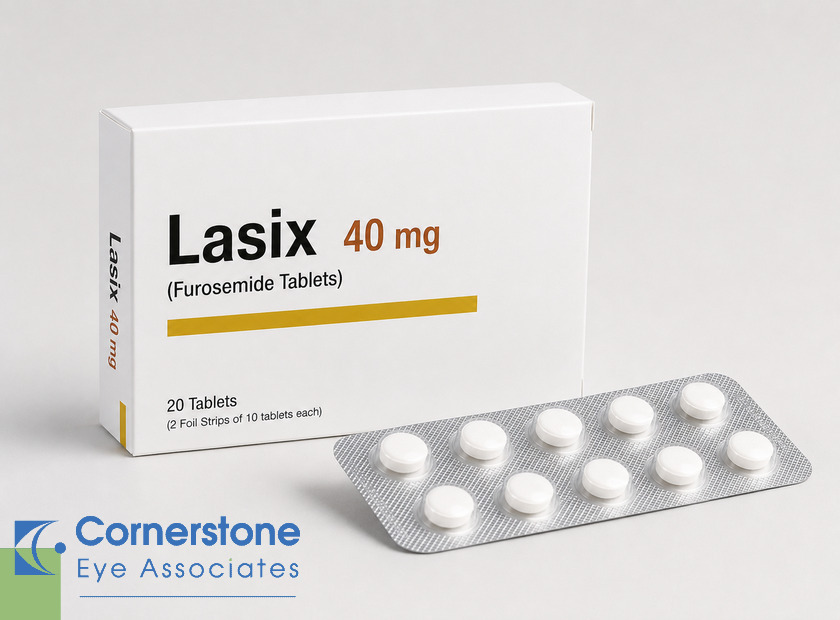
People buy lasix online when they need a medicine that helps the body remove extra fluid. Lasix is the brand name, while Furosemide is the generic name. Both refer to the same active drug. It is often called a water pill because it helps the kidneys send more salt and water out through urine.
Furosemide belongs to a class of medicines called loop diuretics. It works in a part of the kidney known as the loop of Henle, where it blocks the reabsorption of sodium and chloride. When the body loses more salt, water follows. The plain-language MedlinePlus drug page explains this basic action in simple terms.
This is why Furosemide can reduce swelling caused by fluid buildup. It is stronger than many milder diuretics and usually works faster. After an oral dose, the effect often starts within about an hour and becomes stronger over the next one to two hours.
Doctors may use Furosemide when the body needs to clear fluid more quickly or in larger amounts. The medicine is available as a tablet, oral liquid, and injection. For home use, the tablet is the most common form, so this guide focuses mainly on that option.
Brand-Name Lasix vs Generic Furosemide
Brand-name Lasix and generic Furosemide contain the same active ingredient. They work in the same way and are used for the same purpose. The main difference is usually the price, since the generic version often costs less.
These points stay the same between Lasix and generic Furosemide:
- The active ingredient
- The approved tablet strengths
- The fluid-removing effect in the kidneys
- The quality and purity standards required for approval
For most patients, generic Furosemide is the practical choice because it gives the same treatment effect at a lower cost. A pharmacy may stock one version more often than the other, but either option can work when taken exactly as prescribed.
Conditions Furosemide Treats: Edema to Blood Pressure
What is Lasix used for most often? The main answer is fluid buildup. Doctors call it edema, but patients usually notice it in simpler ways. Shoes feel tight. Ankles look puffy. Breathing may feel heavier than usual. Furosemide helps the body remove that extra fluid through the kidneys.
This is why Lasix is known as a strong “water pill.” It does not treat swelling by hiding the symptom. It helps pull salt and water out of the bloodstream and tissues. Once that fluid starts moving out, pressure inside the body can ease. For many patients, that means less swelling and easier breathing.
Doctors may prescribe Furosemide for:
- Edema from congestive heart failure
- Fluid retention linked to kidney disease
- Swelling caused by liver cirrhosis
- High blood pressure when fluid plays a role
- Fluid overload after certain hospital treatments
Heart failure is one of the most common reasons for using Lasix. When the heart cannot pump as strongly as it should, fluid can back up into the legs, belly, or lungs. This may cause swelling, weight gain, and shortness of breath. The American Heart Association explains that this fluid backup is a major reason people with heart failure feel breathless or swollen. Furosemide helps reduce that load, so the heart has less fluid to work against.
Kidney disease can also lead to fluid retention. Healthy kidneys remove extra salt and water every day. When they slow down, fluid can stay in the body longer than it should. Furosemide gives the kidneys a stronger signal to pass out more fluid. It may still work in cases where milder diuretics are not strong enough.
Liver cirrhosis creates a different kind of fluid problem. Fluid may collect in the belly, a condition called ascites. This can feel heavy, tight, and uncomfortable. Furosemide may be used as part of treatment, often together with another diuretic. The goal is not just to “dry out” the body, but to bring fluid balance back under control.
Lasix can also help with high blood pressure in selected cases. It lowers pressure in an indirect way. When there is less excess fluid inside the blood vessels, there is less force pushing against the vessel walls. It is not always the first medicine chosen for blood pressure, but it can be useful when swelling or fluid overload is part of the picture.
Small warning signs matter. Puffy ankles, tighter rings, sudden weight gain, or waking up short of breath can all point to fluid buildup. High blood pressure is different because it often has no clear symptoms. The CDC notes that many people do not know they have it without regular checks.
Furosemide works best when it is part of a bigger treatment plan. A doctor may combine it with other heart, kidney, or blood pressure medicines. Blood tests are often needed too, because this drug can change fluid and mineral levels. Potassium, sodium, kidney function, and blood pressure all need attention during treatment.
The cause of swelling should always come first. Fluid buildup can come from the heart, kidneys, liver, medicines, diet, or several problems at once. That is why a provider may order blood work, urine tests, or heart imaging before choosing the dose. Lasix can be very helpful, but it works safest when the reason for the fluid is clear.
How Fast Furosemide Begins to Work
Many patients want to know how long it takes for Lasix to work. With an oral tablet, the effect usually begins within thirty to sixty minutes. The change is often noticeable fairly soon, especially during the first part of the day.
The strongest effect usually comes within the first one to two hours after a dose. During this period, the body removes more salt and water through the kidneys. After that, the effect gradually becomes weaker. For many people, one oral dose lasts about six to eight hours.
The injection form works faster, but it is mainly used in hospitals. When Furosemide is given by vein, it can start acting within minutes. This is useful in urgent situations, such as severe fluid buildup that affects breathing. For regular home treatment, tablets are the more common form.
Swelling may not improve at the exact same speed. Some people notice lighter ankles or less puffiness within a day or two. Fluid-related weight may also change early in treatment. This is why doctors often ask patients to track their weight at the same time each day.
The response can change over time. Some patients feel the effect becomes less obvious after repeated use. That does not always mean the medicine has stopped working, but it is a reason to keep regular checkups. Blood pressure, kidney function, and mineral levels may need monitoring while taking Furosemide.
Is Lasix Over the Counter or Prescription Only?
A frequent question is blunt: can you buy lasix over the counter? In the United States, the answer is no. Furosemide is prescription only. A licensed clinician has to approve it first, and then you can buy lasix online through a legitimate service.
The prescription rule protects patients more than it limits them. This medicine shifts the body’s fluid and salt in a powerful way, so a quick review protects you first. Too much can drop blood pressure or drain potassium fast. A short review screens for those risks before the first tablet.
Store shelves do hold milder water pills. Products with caffeine or pamabrom promise to ease light bloating. They are not the same medicine and cannot treat heart failure or kidney swelling. Reaching for one in place of furosemide is a real mistake.
Some people search where can i buy lasix and hope to skip the visit. A local pharmacy can fill a valid script, yet it still needs that script in hand. Telehealth closes the gap when an in-person trip is hard to arrange, which is why so many patients now choose it. The path stays legal and private from start to finish.
Others look for a way to buy lasix without prescription from an overseas site. That route carries real danger. A pill with no clear source may hold the wrong dose or hidden fillers. The safe tablet comes from a licensed pharmacy after a proper review, never from a random listing.
Online care has become mainstream for good reason. A licensed provider reviews your case and writes a valid prescription. A partner pharmacy then ships the medicine to your door. The whole process is regulated, discreet, and built for convenience.
Buy Lasix Online in 3 Simple Steps
Telehealth has made this medicine far easier to reach. You can buy lasix online once a licensed clinician signs off. The visit stays private and usually quick. A safe service still reviews your history before anything ships.
Speed and trust can travel together when the steps stay in order. First a provider reviews your case. Only then does a licensed pharmacy fill and ship the order. Each stage exists to keep a strong medicine safe.
From questionnaire to doorstep
Follow-up support stays open after the medicine arrives. Reach out if the swelling shifts or new symptoms appear.
A few signals mark a trustworthy seller. The pharmacy asks for a prescription every single time. It lists a real address, a phone number, and a named pharmacist you can actually reach with questions. The FDA program called BeSafeRx spells out those marks in detail.
A price that looks far too low is a warning, not a win. Skipped reviews and hidden pharmacy details point to trouble. Real savings come from generics, not from cut corners. Weigh the service beside the sticker every time.
Lasix Cost and Generic Furosemide Savings
Furosemide is usually affordable, especially in its generic form. The final price shifts with strength, pack size, and pharmacy. Larger packs almost always lower the cost per tablet. A little math up front can trim the total.
Two strengths cover most home prescriptions here. The 40 mg tablet suits everyday fluid control. The 100 mg tablet handles heavier needs under closer watch. Each row below lists the price per pill, today’s saving, and the pack price, so the value of a bigger pack is easy to spot.
Insurance can trim the number even further. A copay may land below the listed cash price. Patients without coverage still have options through discount cards. The goal is the right quantity at a fair price.
Buying a larger pack is the clearest saving here. The per-pill price falls as the count climbs. A ninety-day supply often beats three monthly refills. Just confirm the dose is stable before you stock up.
Brand Lasix usually costs more than generic furosemide. The active medicine inside is identical. Most people choose the generic for that very reason. A pharmacist can confirm which version your plan favors.
Several factors nudge the final number. Pharmacy markup, your region, and current supply all play a part. Coupons and savings cards can shave more off the total. A quick check across two or three pharmacies is worth the effort, since the same tablet can vary in price.
Price is only half of the decision. Before you buy lasix online, a real clinical review is the step that keeps it safe. The providers below lead those visits.
Meet Our Telehealth Physicians
A short visit sits behind every safe prescription. Our clinicians review your symptoms, your heart history, and your current medicines first. They then decide whether furosemide is a sound choice. That judgment matters most for the kidneys, the potassium level, and other pills you may take.

Both physicians can run the visit and handle the paperwork. If furosemide is not right, they suggest another plan. That might mean a different medicine or an in-person check. A careful review is the quiet value behind the convenience.
Phone: (585) 328-0153 · Online visit: Book a telehealth visit
Lasix Dosage: 20 mg to 80 mg and Beyond
The right lasix dosage depends on why the medicine is being used. Some people need it for swelling. Others take it as part of a heart, kidney, liver, or blood pressure plan. Most adults start between 20 mg and 80 mg a day. The dose may then change based on results.
Your prescription label should always guide you first. Furosemide is a strong diuretic, so the dose is not something to guess. Even a small change can affect fluid levels, blood pressure, kidney function, and minerals such as potassium.
Furosemide comes in several forms, but the tablet is the one most people use at home:
Oral Tablet
Common strengths: 20 mg, 40 mg, 80 mg
The usual form for everyday home treatment.
Oral Solution
Common strengths: 10 mg/mL or 8 mg/mL
Used when swallowing tablets is difficult.
Injection
Common strength: 10 mg/mL
Given in hospitals when faster action is needed.
A lasix 20 mg tablet may be used as a gentle starting dose. This can suit older adults or people who need a cautious approach. A lasix 40 mg tablet is a common middle option. Higher doses may be used when fluid buildup is more serious, especially in kidney or heart disease.
The best time to take Lasix is often in the morning. This lets the strongest effect happen during the day. If a second dose is prescribed, it is usually taken earlier in the afternoon. Taking it too late may disturb sleep.
The tablet is usually swallowed with water. Some people take it with food to avoid stomach upset. Taking it at the same time each day helps your provider judge how well the dose is working.
The dose is adjusted by response, not by habit. Your doctor may look at swelling, daily weight, blood pressure, kidney function, and blood test results. If fluid is still building up, the whole treatment plan may need review.
Maximum Safe Lasix Dose in 24 Hours
There is no single maximum dose that fits every patient. Many people in routine outpatient care stay at or below 80 mg a day. Some patients with heart failure, kidney disease, or severe fluid overload may need more, but only under close medical supervision.
Do not increase the dose on your own. Taking extra tablets can remove fluid too quickly. It can also lower blood pressure or disturb mineral levels. Dizziness, weakness, muscle cramps, or a fast heartbeat are warning signs.
If you miss a dose, take it when you remember unless it is close to the next dose. Do not double the next dose to catch up. If missed doses happen often, ask your provider how to handle them safely.
Store Lasix at room temperature in the original bottle. Keep it away from moisture and heat. Like any prescription medicine, it should be used only by the person it was prescribed for.
What Side Effects Can Furosemide Cause?
Most people take Furosemide without major problems. The common side effects usually come from the same action that makes the medicine useful. Lasix helps the body remove extra fluid and salt, so some changes are expected.
These effects are often mild and easier to manage when you know what to expect:
The most important changes are not always easy to feel. Furosemide can affect potassium, sodium, magnesium, kidney function, blood sugar, and uric acid. This is why routine blood tests are part of safe treatment.
Dehydration is also possible if too much fluid is lost. Dry mouth, strong thirst, unusual weakness, or very dark urine can be clues. Drinking more is not always the answer, especially in heart or kidney disease. Follow the fluid plan your provider gave you.
When to call a clinician
Call for advice if dizziness is strong, weakness feels unusual, swelling gets worse, urination drops sharply, or you notice a rash or hearing changes. These symptoms are not common, but they should be checked.
Hearing changes are rare with tablets. They are more often discussed with very high doses or fast hospital injections. Still, ringing in the ears or new hearing trouble should be reported, especially if it starts soon after a dose change.
Lasix Side Effects in Older Adults
Age can change how the body responds to this medicine. Older adults may lose fluid more easily while taking a diuretic. If fluid drops too quickly, dizziness can appear, especially when standing up. Lower starting doses help reduce that risk.
Kidney function can also slow with age. Because of that, Furosemide may feel stronger or last longer in some patients. Blood pressure may dip more than expected after a dose. Regular monitoring helps a provider adjust the plan before side effects become harder to manage.
Simple habits can make treatment safer. Standing up slowly helps with balance. Steady fluid intake, within the provider’s plan, helps prevent dehydration. A caregiver can also watch for unusual weakness, confusion, or changes in daily activity.
Potassium Loss and Warning Signs to Watch
Low potassium is one of the effects providers monitor closely. Furosemide can move potassium out of the body along with extra fluid. When the level drops, muscles may feel weak or cramp more easily. In stronger cases, the heart rhythm may also be affected.
Some warning signs are useful to recognize early. Muscle cramps, unusual tiredness, and a fluttering heartbeat can all matter. Constipation or heavy-feeling legs may also appear. Report these changes to your provider so they can check whether potassium needs attention.
Prevention is often simple. A clinician may suggest potassium-rich foods like bananas or leafy greens. Some patients need a potassium supplement or another medicine added to the plan. Blood tests then confirm that the level stays in a safe range.
Lasix Interactions: Alcohol and Other Medicines
Furosemide can interact with different medicines. Some combinations affect potassium, blood pressure, kidney function, or how strongly Lasix works. Your provider should always see your full medication list.
Alcohol may make dizziness more likely, especially when you first start treatment or change the dose. It can lower blood pressure further, so it is better to be cautious and ask what is safe for your situation.
Some medicines need closer monitoring with Furosemide. Lithium levels may rise when the body loses fluid. Digoxin can become harder to manage if potassium drops. Certain antibiotics may also need caution with higher Lasix doses.
Pain relievers such as Ibuprofen, Naproxen, and other NSAIDs can make Lasix less effective. They may also add stress to the kidneys. Ask before using them regularly.
Blood pressure medicines are often used with Lasix on purpose. ACE inhibitors, ARBs, and heart medicines can work well in the same plan. Still, blood pressure, kidney function, and potassium may need checking.
Supplements matter too. Herbal products, vitamins, potassium tablets, and over-the-counter pills can affect treatment. Bring the full list to each visit or pharmacy check.
Answers to Common Questions About Lasix
A handful of questions come up again and again. Clear answers make treatment calmer and safer. Here are the ones patients raise most before they start.
Can Lasix help me lose weight?
Only water weight, and only briefly. Furosemide clears fluid, not body fat. Any drop on the scale returns once you rehydrate. Using it for weight loss is unsafe and misses the point of the medicine.
What is the best time of day to take it?
Morning works best for most people. An early dose lets the fluid loss finish before bedtime. A second dose, when needed, is usually taken by early afternoon. That timing protects your sleep.
Do I need to drink less water on Lasix?
Not usually, unless your provider sets a limit. Some heart and kidney patients follow a fluid target. Most others should drink to thirst and avoid getting dry. Ask what fits your own condition.
Is furosemide safe during pregnancy?
It is used only when clearly needed. Furosemide is not a routine choice in pregnancy. A clinician weighs the benefit against the risk case by case. Share a known or possible pregnancy at your visit.
Can I stop taking it once the swelling clears?
Not without asking first. The swelling may return once the medicine stops. For heart or kidney disease, it is often a long-term plan. Your provider decides when a change makes sense.
About The Author

Medical Disclaimer
This article is for general education only. It does not replace personal medical advice. Treatment choices belong with a licensed provider who knows your full history. Reach out to a qualified professional before you start or stop any medication.
Related Pages