By Dr. Kassie A. Haitz, MD (Dermatology) · Medically reviewed by Dr. Pratik M. Gurung, MD (Urology)
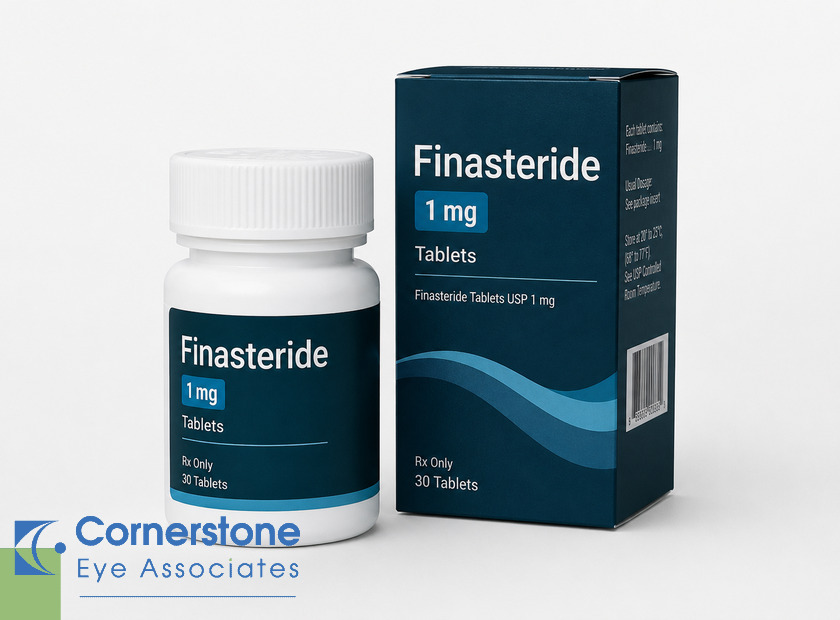
Buy finasteride online — the once-daily generic Propecia that blocks DHT for male pattern hair loss, plus a 5 mg tablet for an enlarged prostate. The 1 mg tablet is the everyday dose for the scalp, while the 5 mg version targets prostate symptoms. Both strengths carry the same active medicine and reward patient, long-term use. Change comes on gradually, so the clearest gains tend to appear only after several months on the pill.
What Finasteride (Propecia) Is and How It Blocks DHT
So what is finasteride? It is a medicine that lowers DHT, the hormone behind most male hair loss. The tablet eases DHT levels in the scalp and the prostate. Many men buy finasteride online after a short telehealth review, though the pill still needs a prescription first.
Finasteride belongs to a class called 5-alpha-reductase inhibitors. That enzyme turns testosterone into dihydrotestosterone, better known as DHT. By slowing the enzyme, the tablet cuts scalp DHT by roughly two thirds. The MedlinePlus drug page explains how the medicine lowers this hormone.
DHT is the reason hair follicles shrink over time. In men prone to baldness, it slowly turns thick strands into thin wisps. Less DHT gives those follicles a chance to hold on. Some even recover enough to grow visible hair again.
A quick look at the pathway makes the effect clearer:
The trigger
Testosterone meets an enzyme in the scalp and prostate tissue.
The problem
That enzyme makes DHT, which shrinks follicles and swells the gland.
The fix
Finasteride blocks the enzyme, so DHT drops and the damage slows.
The medicine acts on a hormone, not on the hair itself. That is why it works best while you keep taking it. Stop the tablet, and DHT climbs back within weeks. The follicles then return to their old pattern of loss.
Blood DHT falls fast, often within hours of the first dose. Scalp levels take a little longer to settle down. The visible payoff still lags well behind the chemistry, since follicles answer over months rather than days. That gap is normal and expected. It is also why the early weeks can feel quiet before anything shows in the mirror.
Propecia vs Generic Finasteride 1mg
Propecia is the brand name for finasteride 1 mg. Generic finasteride holds the same active ingredient at a far lower price. Both lower DHT in exactly the same way. Proscar is the 5 mg brand aimed at the prostate.
Brand and generic tablets match on the part that matters most. They carry the identical molecule and the identical strength. The wrapper and the price are what change. For most men the generic is the practical pick.
A pharmacy may stock one label over another. Either choice works when taken as prescribed. Your provider can note which version suits your plan.
Finasteride Uses: From Hair Loss to Enlarged Prostate
Finasteride uses split into two clear jobs: hair loss and an enlarged prostate. The 1 mg tablet treats male pattern baldness on the crown and hairline. The 5 mg tablet eases urinary symptoms from a swollen prostate gland. One molecule covers both, only at different doses.
Male pattern hair loss is the most common reason men reach for it. The condition creeps in slowly, often starting at the temples or the crown. Because the visit is simple, many men buy finasteride online after a short review. The tablet still calls for a prescription and a quick history first.
An enlarged prostate is the second major use. Doctors call it benign prostatic hyperplasia, or BPH. The gland presses on the urethra, which makes the urine stream weak and the bathroom trips frequent. The NIDDK notes that shrinking the gland can ease those symptoms over months.
A single molecule, then, treats two very different complaints. Here are the main reasons a provider may prescribe it:
- Male pattern hair loss at the crown and mid-scalp
- A thinning or slowly receding hairline
- Urinary symptoms from an enlarged prostate
- Lowering the risk of sudden urinary blockage in BPH
The right use guides the right strength. A dermatology visit usually points to the 1 mg tablet for hair. A urology check often leads to the 5 mg tablet for the prostate. Your history and your goal set the dose.
Not every man with thinning hair is a strong candidate. The best results tend to come with early or moderate loss. Age, overall health, and future family plans all shape the call. A man chasing a hairline he had twenty years ago may end up disappointed. A brief consult sorts out who stands to gain the most from the tablet.
Does Finasteride Regrow Hair on a Receding Hairline?
Does finasteride regrow hair on a receding hairline? It can hold the line and partly fill it back in, though results vary by area. The crown responds best of all. A deep, long-standing hairline responds the least.
The tablet works better as a shield than as a full rebuild. Its first win is stopping further loss, which alone protects what you still have. On top of that, many men see modest regrowth over a year. The American Academy of Dermatology lists it among the proven medical options for pattern hair loss.
Timing shapes what you can expect. Started early, the pill guards follicles that are thinning but still alive. Started late, it has fewer follicles left to save. A follicle that has fully closed will not reopen on medicine alone.
So a realistic goal is thicker, steadier hair rather than a teenage hairline. Some men pair the tablet with other treatments for a bigger push. We cover those combinations further down. The key is patience, since real change takes months to show.
Once the hair stabilizes, a daily pill holds that line steady. Stop for long, and the old pattern slowly returns over the next several months. This is why providers frame it as ongoing care. Regular dosing, not a short burst, is what keeps the gains in place.
How to Buy Finasteride Online Safely
You can buy finasteride online, yet the tablet is prescription only in the United States. A licensed clinician has to approve it first. After that quick review, a partner pharmacy ships it to your door. The path stays legal, private, and simple.
Many men ask, can you buy finasteride over the counter? The plain answer is no, since there is no over-the-counter version in the US. A telehealth visit is the shortcut people are really looking for. It replaces the office trip, not the prescription itself.
A search for finasteride buy options returns a wall of listings, and not all of them play fair. Some overseas sellers promise a way to skip the visit entirely. Typing finasteride buy online into a search bar surfaces those risky shops too. A pill with no clear source may hold the wrong dose or hidden fillers.
People also wonder where to buy finasteride without the guesswork. A trustworthy pharmacy shows a few clear signs:
- It asks for a valid prescription every single time
- It lists a real address and a named pharmacist you can reach
- It shows clear contact details instead of hiding them
- Its prices look fair rather than far too low
The FDA program called BeSafeRx spells out those marks in more detail. A price that looks far too low is a warning, not a bargain. Real savings come from generics, not from cut corners. Weigh the service beside the sticker every time.
Buy Propecia Online in 3 Simple Steps
Telehealth has made this medicine easy to reach. You can buy finasteride online once a clinician signs off. The visit is usually short and fully private. A safe service still reviews your history before anything ships.
Order matters as much as speed here. A provider reviews your case first. Only then does a licensed pharmacy fill and send it. Each step keeps a daily medicine safe.
From questionnaire to doorstep
Follow-up support stays open after the medicine arrives. Reach out if new symptoms appear or your questions change.
Convenience should never cost you the safety checks. A good service still confirms your history and your goals. It keeps a record and offers a way to ask questions later. That balance separates a solid pharmacy from a risky one.
Finasteride Cost and Generic Savings
Cost is a common reason men buy finasteride online, and the news is friendly here. Generic finasteride ranks among the cheaper prescription tablets, and the final price shifts with strength, pack size, and pharmacy. Larger packs almost always trim the cost per pill.
The two strengths below cover the usual range. The 1 mg tablet is the hair-loss dose, while the 5 mg tablet is the prostate dose. Each row lists the price per pill, today’s saving, and the pack price. The struck-through figure shows the regular pack price before the discount.
A bigger pack is the clearest saving here. The per-pill price falls as the count climbs. A six-month supply often beats several monthly refills. Just confirm the dose is steady before you stock up.
Brand Propecia usually costs more than the generic. The active medicine inside is identical. Most men choose the generic for that reason. A pharmacist can confirm which version your plan favors.
Meet Our Telehealth Physicians
A short visit sits behind every safe prescription. Every order to buy finasteride online passes through one of our clinicians first. They review your history, your goals, and your current medicines before deciding whether the tablet fits. That judgment matters most around fertility plans, mood history, and any chance of pregnancy in the household.

Both providers can run the visit and handle the paperwork. If finasteride is not the right choice, they suggest another plan. That might mean a topical option or an in-person referral. A careful review is the quiet value behind the convenience.
Phone: (585) 328-0153 · Online visit: Book a telehealth visit
Finasteride Dosage: 1mg vs 5mg Tablets
The right Finasteride dosage depends on the reason for treatment. A 1 mg tablet is used for male pattern hair loss. A 5 mg tablet is used for enlarged prostate symptoms. Both doses are usually taken once a day.
Your prescription label should come first. These two strengths are not the same. A provider chooses the dose based on your goal, symptoms, and health history.
Here is the simple difference between the two common strengths:
1 mg Finasteride
This is the usual dose for male pattern hair loss.
It is taken once daily. The goal is to lower DHT in the scalp and slow further hair thinning.
5 mg Finasteride
This is the usual dose for an enlarged prostate.
It is also taken once daily. The goal is to shrink prostate tissue and ease urinary symptoms over time.
Some men ask if they can split a 5 mg tablet for hair loss. This is not a reliable plan. The pieces may not contain the same amount of medicine. The 1 mg tablet is made for hair treatment.
Timing is simple. Take Finasteride at the same time each day. You can take it with or without food. A daily routine helps keep the medicine working steadily.
If you miss a dose, take the next dose as usual. Do not double the dose. Taking extra tablets will not make results come faster.
Consistency matters most. Finasteride works only while DHT stays lower. Skipping many doses can weaken the benefit. A phone reminder or daily habit can help.
Store the tablets at room temperature. Keep them away from heat and moisture. An intact tablet is simple to handle during normal use. A crushed or broken tablet needs more care, especially around women who are pregnant or may become pregnant.
From 3 Months to a Year: Finasteride Results Timeline
Finasteride results follow a slow, steady curve rather than a quick jump. The first few months mostly stabilize the loss. Visible thickening tends to arrive between six and twelve months. A full year is the fair point to judge the tablet.
Here is a rough month-by-month map of what many men notice:
- Months 1 to 3: shedding may rise briefly, then loss slows.
- Months 3 to 6: hair feels steadier and less falls in the shower.
- Months 6 to 12: the crown and mid-scalp start to look fuller.
- After 12 months: the clearest gains show in side-by-side photos.
It is easier to judge progress with photos than by memory. Take one photo each month. Use the same light, angle, and distance. This makes small changes easier to see.
Finasteride needs time. Hair growth follows a slow cycle, so early changes can be limited. Many men need several months before the result becomes clear. Stopping too soon can make it harder to judge the effect.
After the first year, the goal is usually maintenance. The treatment helps keep DHT lower while you continue taking it. A yearly check-in with your provider is useful. It helps confirm that the dose still fits your needs.
Why Shedding Happens in the First Months
Early shedding worries a lot of new users, yet it is often a good sign. As follicles reset onto a healthier cycle, older weak hairs let go first. Fresh, stronger strands then grow in their place. This phase usually settles within a couple of months.
The shed can feel alarming after you start a hair pill. Seeing more strands on the pillow seems backward at first. In truth it reflects follicles waking up and syncing. The loss is temporary, not a sign the tablet is failing.
Still, a shed that drags on deserves a check. Most cases fade by the third month. If heavy loss continues past then, message your provider. They can confirm the cause and reassure you.
Topical Finasteride and Minoxidil Combinations
Topical finasteride is a newer way to lower scalp DHT with less reaching the bloodstream. It goes on the skin instead of being swallowed. Many men pair it with minoxidil for a broader effect. Together they target hair loss from two angles at once.
Minoxidil works in a different way than finasteride. It widens blood flow around the follicle and lengthens the growth phase. Finasteride tackles the hormone that shrinks the follicle. Using both can beat either one used alone.
Two treatments, two targets
Finasteride: lowers DHT so follicles stop shrinking.
Minoxidil: boosts blood flow and stretches the growth phase.
Together: one guards the follicle while the other feeds it.
A combined spray or solution can simplify the routine. One application may hold both ingredients at once. That said, the topical form is often compounded, so quality and dosing vary by pharmacy. A provider should guide the choice and the strength.
Topical does not always mean side-effect free. Some of the medicine can still absorb through the skin. Scalp irritation or dryness can also crop up. Ask your clinician whether the oral or topical route fits you better.
Evidence for the topical form keeps growing each year. Early research suggests it can rival the oral pill for some users while sending less drug into the bloodstream. That lower systemic level is its main draw. For men wary of oral side effects, the trade can tip the balance toward a cream or spray. Even so, the science is younger, so expectations should stay measured.
Finasteride Side Effects: What Studies Actually Show
Finasteride side effects are real but uncommon for most men. In trials, sexual effects like lower desire or trouble with erections showed up in a small percentage. Many of these ease over time or after stopping. Knowing the odds helps you weigh the tablet fairly.
The most discussed effects cluster in a few areas:
Most men take the tablet without any trouble at all. When effects do appear, they are usually mild. A frank talk with your provider helps you plan. Together you can decide whether to adjust or continue.
One number deserves a mention before any prostate test. Finasteride lowers a blood marker called PSA. Your doctor accounts for that when reading the result. Tell any new provider that you take the tablet.
One practical rule catches many men off guard. You should not donate blood while taking this tablet, because the medicine can pass through donated blood to a recipient. That matters most for a pregnant recipient, given the risk to a developing baby. Most guidance asks you to wait a set window after your last dose. Mention the pill at the donation center to stay safe.
Does Finasteride Lower Testosterone?
Does finasteride lower testosterone? Not in the way many men fear. It blocks the switch from testosterone to DHT, so blood testosterone often holds steady or rises slightly. The change targets DHT, not testosterone itself.
This is a common mix-up worth clearing. The tablet acts on one enzyme, not on the whole hormone system. Your testosterone can stay in its normal range while DHT falls. That selective action is the point of the medicine.
Bloodwork can settle any worry directly. A provider can check levels if symptoms appear. Fatigue or low libido may have other causes too. A quick lab test keeps the guessing out of it.
Post-Finasteride Syndrome: What We Know
Post-finasteride syndrome describes symptoms that some men report lasting after they stop the drug. These can include sexual, physical, or mood changes that persist. It remains an area of active research and open debate. The reported cases are uncommon, but they deserve to be taken seriously.
Science has not fully settled the picture here. Studies disagree on how often lasting effects occur. Most men who stop the tablet return to baseline. A smaller group describes symptoms that linger longer.
When to contact your provider
Reach out if sexual, mood, or physical symptoms persist after you stop the tablet, or if low mood turns severe. An open conversation helps your clinician track the cause and plan next steps. You do not have to manage new symptoms on your own.
An honest discussion before starting is the best step. Weigh the benefit against these uncommon risks with a clinician. Share any history of depression or sexual concerns. That context helps your provider tailor the decision.
Can Women Take Finasteride for Hair Loss?
In select cases a specialist may prescribe finasteride, usually for postmenopausal women. It is not a routine choice, and it carries a firm safety rule. Women who are or may become pregnant must not use or even handle crushed tablets.
The pregnancy warning is the central caution here. Finasteride can harm the development of a male fetus. For that reason, the tablet is avoided in anyone who could conceive. Even a broken pill should not be touched by a pregnant person.
Female pattern hair loss has other options too. Topical minoxidil is a common first step for women. Spironolactone is another route a provider may consider. A specialist matches the plan to the cause and life stage.
Any use in women belongs under close guidance. A dermatologist weighs the benefit, the risks, and the timing. Bloodwork and a careful history come first. Self-prescribing this tablet is never the safe path.
About The Author

Medical Disclaimer
This article is for general education only. It does not replace personal medical advice. Treatment choices belong with a licensed provider who knows your full history. Reach out to a qualified professional before you start or stop any medication.
Related Pages