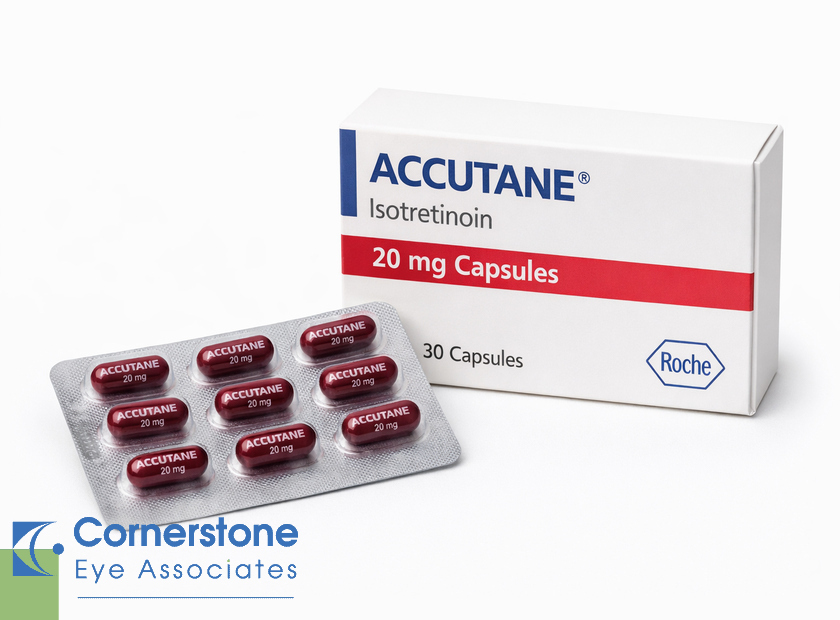
Buy Accutane online — isotretinoin targets severe nodular acne at the root level and delivers up to 90% clearance rate after a single course. It works by shrinking sebaceous glands and cutting oil production — the driver behind deep cysts and nodules. Unlike antibiotics, one course can produce lasting remission in over 60% of patients. Treatment requires iPLEDGE enrollment, monthly labs, and a valid US prescription.
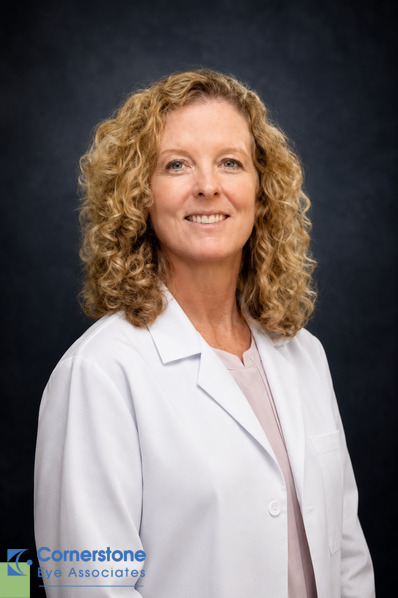
- By Dr. Joy Lowry, MD (Dermatologist)
- Medically reviewed by Dr. Kassie A. Haitz, MD (Dermatologist)
If you want to buy Accutane online safely, you need a valid US prescription and enrollment in the FDA’s iPLEDGE program. There are no exceptions. Isotretinoin is one of the most effective acne medications available today. At the same time, it carries real risks that require structured medical supervision. This article walks through everything you need to know before starting treatment — from how the drug works to what the process looks like when you work with a licensed provider.
What Is Accutane and Who Can Buy It Online
Accutane is the name many people still use for isotretinoin, a prescription oral retinoid used to treat severe, stubborn nodular acne. It works deeper than creams or spot treatments because it reduces oil production, helps prevent clogged pores, and calms inflammation throughout the skin. For that reason, it is usually considered when other acne treatments have failed or when breakouts are leaving scars. In many cases, it is the step doctors consider when acne is painful, persistent, and emotionally draining.
Many people want to buy Accutane online because telehealth feels easier and more private than repeated office visits. That part is understandable. Still, isotretinoin is not a medication that can be ordered casually. In the United States, it is tightly regulated because it can cause severe fetal harm during pregnancy. So, even if your visit happens online, the rules do not change. A virtual consultation may save time, but it does not bypass the legal or clinical process.
You still need a licensed prescriber to review your acne history, evaluate whether isotretinoin is appropriate, order the necessary lab work, and guide you through the FDA-required iPLEDGE program.
Accutane vs isotretinoin: brand and generic versions
Accutane was the original brand name for isotretinoin. Roche first received FDA approval for it in 1982. The original Roche version was later discontinued in the US, although the Accutane name is now used by Journey Medical. Today, when patients fill a prescription or look into how to buy Accutane online, they usually receive another FDA-approved isotretinoin product rather than the old Roche formulation.
What matters most is the active ingredient. These products all use isotretinoin, also known as 13-cis-retinoic acid, to treat severe nodular acne. Still, the products are not completely identical in practical use. Some differ in inactive ingredients, food requirements, absorption profile, and price. That is why the name on the box can matter more than patients expect.
One practically important difference: most generic formulations must be taken with a high-fat meal to reach adequate blood levels. Studies show that food can increase isotretinoin absorption by up to 60% compared to fasting. Absorica uses a lipid-based delivery system that achieves consistent absorption regardless of whether you eat beforehand. For patients with irregular eating schedules or those who struggle to eat fatty food in the morning, this distinction has real day-to-day relevance.
One more practical note: if you decide to buy Accutane online through a telehealth provider and your prescription is written for a specific brand, switching to a different formulation mid-course may require your prescriber to update the iPLEDGE authorization. To avoid unnecessary delays, discuss your preference for generic or branded isotretinoin during the initial consultation — before the prescription is submitted.
Acne types that qualify for Accutane treatment
Not every kind of acne needs isotretinoin. In the US, it is approved for severe recalcitrant nodular acne. In simple terms, that means deep, inflamed nodules that keep coming back and do not respond well to standard treatment. Usually, other options have already been tried first. That may include topical retinoids, oral antibiotics, or hormonal treatment. When those steps do not bring lasting control, isotretinoin becomes a more serious option.
Still, real treatment decisions are rarely based on one label line alone. Dermatologists look at the full picture. They consider how long the acne has been active, whether it is leaving scars or dark marks, and how much it is affecting daily life. Sometimes the issue is not just the number of nodules. It is the fact that the acne is painful, persistent, and exhausting. It may be hurting a person’s confidence, mood, or willingness to be seen without makeup. That is why patients who search buy Accutane online are often not looking for a quick fix. They are looking for a treatment that finally matches the severity of what they have been dealing with.
One thing worth knowing: a dermatologist does not make this decision based on your description alone. They review your full history — what you have tried, how long, at what doses, and what happened. That process is not bureaucracy. It is what allows them to defend the prescription to your insurer and to themselves. Most insurance plans require documented evidence of prior treatment failure before they will cover isotretinoin. Coming to the consultation with records of previous treatments significantly speeds up the approval process.
How Accutane Works and What Results to Expect
Accutane works by shrinking the sebaceous glands and sharply reducing how much oil the skin produces. That matters because excess sebum is one of the main reasons pores stay clogged and inflamed. At the same time, isotretinoin helps normalize how skin cells shed inside the follicle, which lowers the chance of new blockages forming. It also reduces the inflammatory response that makes acne lesions red, deep, and painful. In practice, this means the medication does not just treat visible breakouts. It changes the skin environment that allows severe acne to keep returning.
Results do not appear overnight, so expectations need to stay realistic. Many patients notice dry lips and dry skin before they see clear cosmetic improvement. Some also go through an early flare during the first few weeks, especially if the acne is already deep and active. Visible improvement often starts gradually, with fewer new nodules, less oiliness, and slower formation of painful lesions. As treatment continues, the goal is not only clearer skin but longer-term remission. That is why dermatologists focus on the full course and cumulative dose rather than judging success too early.
For many patients, the biggest benefit is that Accutane can interrupt the cycle of severe acne in a way that short-term antibiotics and topical products often cannot. Existing nodules still need time to heal, and post-acne marks may fade more slowly than the active breakouts themselves. Even so, the treatment is valued because it aims for durable control, not temporary suppression. When the course is completed correctly and monitored closely, many patients see a major drop in both active inflammation and the risk of future scarring.
How isotretinoin clears acne: sebum, glands and bacteria
Isotretinoin gradually shrinks sebaceous glands and sharply lowers how much oil they produce. That change matters because excess oil is one of the main reasons pores stay blocked and inflamed. Research suggests that sebum output can drop by as much as 90% within the first six weeks of treatment, according to a review published in Dermatologic Therapy. When the skin becomes much less oily, the follicle turns into a less favorable place for acne to keep building.
That drop in oil affects bacteria as well. Cutibacterium acnes depends on sebum as a nutrient source, so when sebum falls, bacterial activity falls with it. Isotretinoin does not work like an antibiotic, but it changes the environment that allows acne-causing bacteria to thrive. This is one reason it often succeeds where long courses of antibiotics stop helping.
At the same time, isotretinoin helps normalize keratinization inside the pore. In simple terms, the skin cells lining the follicle shed in a more orderly way. They are less likely to stick together, build up, and form the plug that starts a comedone. The drug also has a direct anti-inflammatory effect, which helps calm the redness, swelling, and tenderness that make nodules feel deep and painful. Taken together, these effects are why isotretinoin is often described as the only oral acne treatment that targets all major drivers of severe acne at once.
There is also a long-term reason dermatologists take isotretinoin seriously. By reducing deep inflammation early enough, it can lower the risk of permanent textural scarring. For patients with recurrent cysts or nodules, that matters just as much as clearer skin.
Accutane before and after: monthly results and remission
Results with Accutane usually come in stages. The first thing many people notice is not perfect skin, but less oil. By weeks 3 to 4, the face often feels less greasy, and new breakouts may start forming more slowly. Deeper nodules usually take longer. Those lesions tend to shrink more clearly around weeks 6 to 8, while overall skin texture and clarity improve more gradually over the following months. That timeline is important because patients often expect a dramatic change too early, then worry the medication is not working when it is actually following a normal pattern.
It is also common to go through a frustrating adjustment phase at the start. Lips get dry. Skin may feel tight. Some people notice a temporary flare before the acne begins to settle. That early period can be discouraging, especially for patients who began treatment after months or years of failed routines. But isotretinoin is not designed to give quick cosmetic masking. It is designed to change the conditions that allow severe acne to persist. For that reason, the real “before and after” picture usually becomes clearer by months 3 to 5, not in the first few weeks.
A large 2025 cohort study published in JAMA Dermatology found that 61% of patients achieved full clearance after one standard course. Relapse did happen in some cases, but the overall outcomes were still strong. About 39% had some degree of recurrence within 18 months, and only a small minority needed a second full course. That is why dermatologists often frame isotretinoin as a treatment aimed at remission, not just short-term suppression. By the time patients reach the middle of treatment, many are no longer focused on questions like where to buy Accutane. They are focused on staying consistent and finishing the course correctly.
Most treatment plans aim for a total of about 120 to 150 mg/kg over the full course. Reaching that target tends to lower the chance of relapse compared with stopping too early. That is why dermatologists track your running total, not just your month-to-month improvement. Even if the skin looks much better halfway through treatment, the final part of the course still matters.
How to Get an Accutane Prescription Online in the US
Getting started with isotretinoin does involve a few more steps than a typical acne prescription. Still, the process is not as intimidating as it sounds. When telehealth is handled through a legitimate dermatology service, the path is usually clear, structured, and easy to follow. You are not just handed a prescription and sent on your way. Instead, your clinician walks you through each stage, checks that the treatment makes sense for your case, and makes sure the required safety steps are in place, including iPLEDGE enrollment when isotretinoin is prescribed in the US.
Step 1 — Start with a real dermatology visit
The first step is booking a online appointment with a licensed clinician. This may be a live video visit or, in some cases, a secure asynchronous consultation with photos and medical history forms. Either way, the goal is the same: to evaluate your acne properly, not just to process an order.
Step 2 — Go through a full medical review
At this stage, your clinician looks at the bigger picture. They review how severe your acne is, how long it has been active, what treatments you have already tried, and whether your skin is starting to scar. They also check for contraindications, medication interactions, and any personal risk factors that could affect treatment. In other words, the decision is not based on acne alone. It is based on whether isotretinoin is the right fit for your situation.
Step 3 — Get a treatment plan, not just a prescription
If isotretinoin is appropriate, your provider sets up the next steps in a clear and practical way. That usually includes your starting dose, lab or monitoring instructions, follow-up timing, and the paperwork or registration required for iPLEDGE. So the process is not just about getting the medication. It is about making sure you know how to take it, what to expect, and how your progress will be tracked over time.
Lab tests required before your first prescription
Before your first isotretinoin prescription is released, your provider will usually order baseline lab work. This step is not there to slow things down. It helps your clinician see where your body is starting from and whether your first dose should be standard or a bit more cautious.
Most patients who want to buy Accutane online are surprised that the process still begins with lab testing, not checkout. In most cases, the main focus is on lipids and liver function, since those are the values isotretinoin can affect most clearly. Some clinicians may also add a CBC or a broader metabolic panel, depending on your history, current medications, and overall risk profile. People sometimes search where to buy Accutane overe the counter when they want a simpler path, but isotretinoin does not work that way in the US. Your lab orders are usually sent electronically, and you complete the testing at a certified lab before treatment begins.
An abnormal result does not always mean treatment is off the table. Mild triglyceride elevation, for example, may lead to a lower starting dose or closer follow-up rather than an automatic no. That is why lab review is best seen as a calibration step. It helps your clinician start treatment more safely and with fewer surprises. Once your results look acceptable, the prescription can be finalized and the dispensing process can begin.
Our Dermatologists
Dermatology
Dr. Joy Lowry, MD is a board-certified dermatologist practicing in Victor, New York. She earned her medical degree at the University of Vermont’s Larner College of Medicine and completed her dermatology residency at the University of Rochester Medical Center. Her care spans comprehensive skin health, including acne and other inflammatory conditions, skin cancer detection, and dermatologic surgery.
✓ Licensed ✓ Verified profile ✓ Telehealth available

Dermatology
Dr. Kassie A. Haitz, MD is a board-certified dermatologist offering medical, surgical, and cosmetic dermatology to the Rochester area for over a decade. She earned her MD from the Jacobs School of Medicine at the University at Buffalo and completed her dermatology training at Dartmouth-Hitchcock Medical Center. Her clinical interests include acne, psoriasis, skin cancer detection, and pediatric dermatology.
✓ Licensed ✓ Verified profile ✓ Telehealth available
Accutane and Pregnancy: Birth Defects Explained
Accutane carries one risk that has to be taken especially seriously: it must not be used during pregnancy. Isotretinoin can cause severe fetal harm, which is why the FDA prescribing information treats pregnancy prevention as a central part of treatment. The point is not to scare patients. It is to make the rules clear before treatment begins.
That is exactly why the iPLEDGE program exists. It creates a structured safety process between the patient, the prescriber, and the pharmacy. In practice, this means isotretinoin cannot be prescribed or dispensed casually. Patients who can become pregnant must complete the required pregnancy testing and follow the contraception rules before each prescription can move forward.
The important thing to understand is that this risk is preventable when the program is followed correctly. iPLEDGE was designed to reduce fetal exposure, and its rules are there to make treatment safer, not harder. For most patients, the process becomes very manageable once the steps are explained clearly. When testing, timing, and contraception requirements are followed as directed, isotretinoin can be used in a controlled and responsible way.
How iPLEDGE enrollment works: steps for patients
Every patient who takes Accutane (isotretinoin) in the US has to be enrolled in iPLEDGE. Your prescriber and pharmacy must be enrolled too. That sounds strict at first, but in practice it becomes a monthly routine. Once you understand the order of the steps, the process is much easier to manage.
For patients who can become pregnant, iPLEDGE is built around timing. Your visit, pregnancy test, monthly confirmation, and prescription pickup all connect to one another. If one step gets pushed back, the rest of the cycle can shift with it. The easiest way to stay on track is to treat it like a fixed monthly schedule rather than a last-minute refill.
A simple practical rule helps here: do not think of your refill as one isolated task. Your appointment, testing, system confirmation, and pharmacy pickup are all part of the same chain. Keeping those steps close together makes the process smoother and lowers the chance of delays.
Accutane Side Effects and How to Manage Them
Most Accutane side effects are dose-dependent and predictable. The majority are mild to moderate and improve after the course ends. However, a small number of serious effects require immediate attention. Knowing which symptoms are expected versus which ones need medical escalation is one of the most useful things you can be told before starting treatment.
Purge, hair loss, weight gain and dry skin on Accutane
The side effect most people notice first on isotretinoin is dryness. Lips usually get dry early, and the skin, eyes, or inside of the nose can feel drier too. That happens because the medication sharply lowers oil production, which is part of how it treats acne in the first place. For most patients, this is manageable with simple skin care: a gentle moisturizer, regular lip balm, and a less irritating routine overall.
Some people also go through what patients often call a “purge.” In real life, this usually means the skin looks a little worse before it starts looking better. An early flare can happen in the first weeks of treatment, especially when acne is already deep and inflamed. It can be frustrating, but it does not automatically mean the medication is failing. More often, it is part of the adjustment period before the oil level drops and breakouts begin to slow down.
Hair shedding is another concern patients ask about a lot. It can happen, but it is not one of the main effects most people deal with. When it does happen, it is usually described as temporary thinning or increased shedding during treatment rather than permanent hair loss. This tends to improve after the course is finished.
Weight gain is different. It is not considered a typical pharmacologic effect of isotretinoin, and it is not listed among the common adverse reactions in prescribing information. So if weight changes happen during treatment, they usually should not be assumed to come from the medication itself without looking at other factors.
Top Questions Patients Ask About Accutane
Can men take Accutane — are iPLEDGE requirements different?
Where to buy Accutane over the counter?
How much does a full Accutane course cost?
Can you drink alcohol while taking Accutane?
Does Accutane affect fertility — is it safe to conceive after treatment?
What happens to skin after finishing Accutane — does acne come back?
About The Author
Dr. Joy Lowry, MD is a board-certified dermatologist in Victor, New York, with a clinical focus on inflammatory skin conditions, including severe acne and systemic retinoid therapy. She completed her medical degree at the University of Vermont’s Larner College of Medicine and her dermatology residency at the University of Rochester Medical Center. Dr. Lowry provides evidence-based, patient-centered dermatologic care grounded in current clinical guidelines.
Disclaimer
The information provided on this page is intended for general educational purposes only and does not constitute medical advice, diagnosis, or treatment. Health conditions, symptoms, and treatment responses vary significantly between individuals, and there is no universal approach suitable for every patient.
Medical decisions should only be made in consultation with a licensed healthcare professional who can evaluate your medical history, current medications, underlying conditions, and individual risk factors. Information on this page should not be used to determine treatment plans, medication selection, dosage, or to assess potential drug interactions.
This content is not a substitute for professional medical care. Before starting, modifying, or discontinuing any medication or therapy, you should seek guidance from a qualified physician, pharmacist, or other licensed clinician who can provide personalized medical advice based on a proper clinical assessment.
If you have questions or concerns regarding your health, treatment options, or medications, always consult a licensed medical professional.