By Dr. Sunil Baldwa, MD (Cardiology) · Medically reviewed by Dr. Benjamin P. Meath, MD (Family Medicine)
Buy lisinopril online — a once-daily ACE inhibitor and generic Zestril for high blood pressure, heart failure, and diabetic kidney protection. Lisinopril is a once-a-day tablet that eases the pressure inside your arteries. Doctors reach for it in high blood pressure, heart failure, and recovery after a heart attack. It belongs to a family of medicines called ACE inhibitors. Many people now begin care through telehealth, yet the tablet still needs a prescription and a short clinical check. This guide covers what it does, how it is dosed, what to watch for, and how to get it safely.
What Lisinopril Is Used For Beyond Blood Pressure
So what is lisinopril used for? High blood pressure is the short answer, though the tablet does more than that. This ACE inhibitor also treats heart failure and supports the heart after an attack. Because the visit is simple, many patients buy lisinopril online after a short telehealth review. The medicine still calls for a prescription and a quick check first.
High blood pressure is the most common reason for a prescription. The condition is often silent, so people feel fine while it quietly strains the arteries, and lisinopril relaxes those vessels to lower the daily load. The CDC notes that hypertension usually shows no clear symptoms, which is why regular checks matter so much.
Heart failure is the second major use. When the heart pumps weakly, fluid backs up and pressure builds, so lisinopril eases that strain and helps the muscle work against less resistance. Many people take it beside other heart medicines.
Recovery after a heart attack is a third reason. Started early, the tablet can protect the muscle and improve the odds. Providers also prescribe it to guard the kidneys in people with diabetes, and that benefit is one reason the drug reaches past blood pressure alone.
A single tablet, then, covers a lot of ground. Here are the main conditions a provider may treat with it:
- High blood pressure, known as hypertension
- Heart failure with reduced pumping strength
- The weeks of recovery after a heart attack
- Kidney protection in people living with diabetes
The right use depends on your full picture. A provider weighs your pressure, your heart history, and your kidney numbers first. Blood tests often guide both the choice and the starting dose.
Lisinopril Brand Names: Zestril and Prinivil
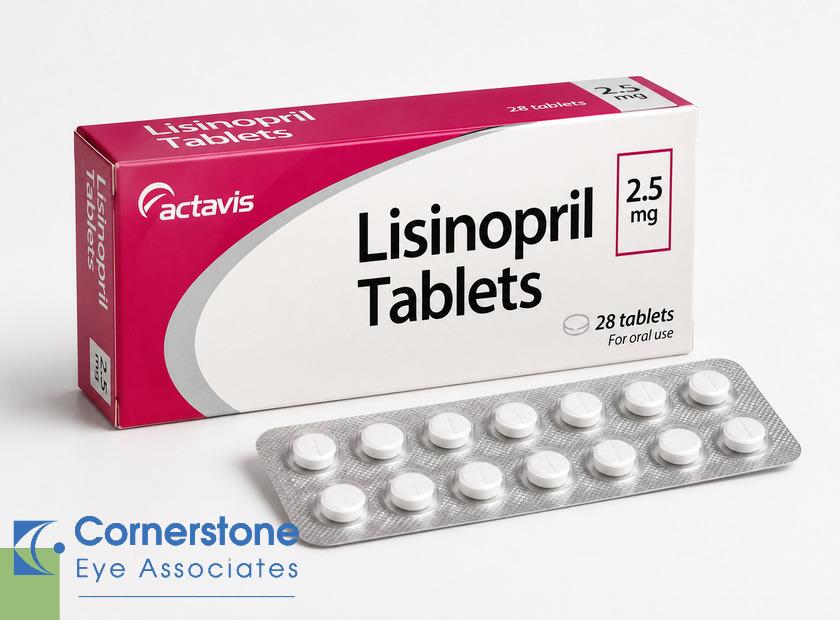
Lisinopril is the generic name, and it also sells under a few brand labels. Zestril and Prinivil are the two you will see most often. Qbrelis is a liquid version for people who cannot swallow tablets. Each holds the same active ingredient and works the same way.
Brand and generic versions match on the parts that count. The MedlinePlus drug page lists these brand names and confirms the shared active drug. For most patients the generic is the practical pick, since it costs far less for the same result.
A pharmacy may stock one label more than another. Either works when taken exactly as prescribed.
Not a Beta Blocker: Where Lisinopril Really Fits
Is lisinopril a beta blocker? No, and that difference changes what you should expect. It is an ACE inhibitor, a separate class with its own job, so beta blockers slow the heart rate while lisinopril loosens the blood vessels instead. Knowing the class helps the rest make sense.
Blood pressure medicines fall into several families. Each lowers pressure by a different route. The American Heart Association lists the main groups and how they behave. Mixing them up is easy, since so many names sound alike.
A quick comparison makes the classes clear:
So lisinopril sits firmly in the ACE inhibitor group. It shares that class with medicines whose names tend to end in “pril.” A provider may pair it with another class for a stronger effect. The choice rests on your heart rate, your kidneys, and how your pressure responds.
The class also hints at the side effects to expect. ACE inhibitors share a few traits, such as a dry cough in some users. That pattern comes straight from how the group works. We cover those effects further down the page.
Inside the Mechanism: How Lisinopril Lowers Pressure
How does lisinopril work? It blocks an enzyme your body uses to make a pressure-raising hormone. That hormone, angiotensin II, normally tightens the arteries, so with less of it around the vessels relax and pressure drops.
The enzyme has a long name: angiotensin-converting enzyme, or ACE. Lisinopril slows it down, so the body builds less angiotensin II. Arteries then widen, and the heart pushes against less resistance. Blood moves more freely as the daily pressure eases.
This whole pathway has a name worth knowing: the renin-angiotensin system. It is the body’s own control for pressure and fluid balance. Left unchecked, it can keep the vessels too tight, so lisinopril steps in at one point and turns the dial down.
The effect is steady rather than sudden. One tablet works across a full day, which is why most people dose once daily. Peak action lands a few hours after you swallow it. The benefit then holds until the next dose.
That same action reaches the heart and kidneys. Lower pressure means less strain on both over time. This is why the medicine matters well beyond a single reading.
How Many Points Will Lisinopril Lower Your Pressure?
How much will lisinopril lower your blood pressure? For many adults, a standard dose drops the top number by roughly 5 to 10 points. The lower number often eases as well. Results still vary from person to person.
Several things shape the size of that drop. Your starting pressure, your dose, and your salt intake all play a part. A higher dose may lower it a bit more up to a point, but past that adding a second medicine usually beats pushing the dose.
The change is not instant. Some easing shows within hours of the first tablet. The fuller effect builds over two to four weeks of steady use. That is why a provider rechecks your numbers after weeks, not days.
Home monitoring helps you track the trend. A simple cuff and a short log tell the real story. Bring those readings to each visit. They guide any change to your dose.
How to Buy Lisinopril Online Safely
You can buy lisinopril online, but the tablet is prescription only in the United States. A licensed clinician has to approve it first. After that quick review, a partner pharmacy ships it to your door. The process stays legal, private, and simple.
Some people search where can i buy lisinopril 10 mg and hope to skip the visit. A local pharmacy can fill a valid script, yet it still needs that script in hand. Telehealth bridges the gap when an office trip is hard to arrange. The path stays above board from start to finish.
Others look for a way to buy lisinopril online without prescription from an overseas seller. That route carries real danger. A pill with no clear source may hold the wrong dose or hidden fillers. A safe tablet comes from a licensed pharmacy after a proper check, never from a random listing.
Typing lisinopril buy online brings up a wall of listings, and not all of them play by the rules. A trustworthy pharmacy shows a few clear signs:
- It asks for a valid prescription every single time
- It lists a real address and a named pharmacist you can reach
- It shows clear contact details instead of hiding them
- Its prices look fair rather than far too low
The FDA program called BeSafeRx spells out those marks in more detail. A price that looks far too low is a warning, not a win. Real savings come from generics, not from cut corners. Weigh the service beside the sticker every time.
Buy Lisinopril Online in 3 Simple Steps
Telehealth has made this medicine easy to reach. You can buy lisinopril online once a clinician signs off. The visit is usually short and fully private. A safe service still reviews your history before anything ships.
Order matters as much as speed. First a provider reviews your case. Only then does a licensed pharmacy fill and send it. Each step keeps a daily heart medicine safe.
From questionnaire to doorstep
Follow-up support stays open after the medicine arrives. Reach out if your readings shift or new symptoms appear.
Convenience should never cost you the safety checks. The right service still confirms your pressure and your kidney history. It keeps a record and offers a way to ask questions later. That balance is what separates a good pharmacy from a risky one.
Lisinopril Cost and Generic Savings
Cost is a common reason people buy lisinopril online, and the news is good here. Lisinopril ranks among the cheaper prescription medicines, and the final price shifts with strength, pack size, and pharmacy. Larger packs almost always cut the cost per tablet.
The strengths below cover the usual starting range for lisinopril. The 10 mg tablet fits many everyday plans, while the 5 mg and 2.5 mg options suit gentler or newly started doses. Each row lists the price per pill, today’s saving, and the pack price. The struck-through figure shows the regular pack price before the discount.
Insurance can shrink the number even more. A copay may land below the listed cash price. People without coverage still have discount-card options. The aim is the right amount at a fair price.
A bigger pack is the clearest saving here. The per-pill price falls as the count climbs. A ninety-day supply often beats three monthly refills. Just confirm the dose is steady before you stock up.
Brand Zestril usually costs more than generic lisinopril. The active medicine inside is identical. Most people choose the generic for that very reason. A pharmacist can confirm which version your plan favors.
A little comparison shopping pays off with this tablet. The same pill can carry different tags by pharmacy. Discount cards and coupons stack the savings further. Five minutes of checking can trim the yearly bill.
Meet Our Telehealth Physicians
A short visit sits behind every safe prescription. Every order to buy lisinopril online passes through one of our clinicians first. They review your pressure, your heart history, and your current medicines before deciding whether lisinopril fits. That judgment matters most for the kidneys, the potassium level, and any pregnancy.

Both providers can run the visit and handle the paperwork. If lisinopril is not the right choice, they suggest another plan. That might mean a different medicine or an in-person check. A careful review is the quiet value behind the convenience.
Phone: (585) 328-0153 · Online visit: Book a telehealth visit
Finding Your Lisinopril Dose: 2.5 mg to 40 mg
The right lisinopril dose depends on why you take it and how you respond. Most adults with high blood pressure start near 10 mg once a day, though a provider may begin lower for heart failure or kidney concerns. The dose then climbs slowly toward the target.
Your prescription label should always guide you first. Lisinopril comes in several strengths for a reason. Even a small change can affect pressure, kidney function, and potassium.
The tablet is the main home form, and it spans a wide range:
Starting Strengths
Common tablets: 2.5 mg, 5 mg
A gentle start for cautious plans.
Everyday Strengths
Common tablets: 10 mg, 20 mg
The middle ground for steady control.
Higher Strengths
Common tablets: 30 mg, 40 mg
Used when pressure needs more push.
A 2.5 mg or 5 mg tablet works as a soft start. This suits older adults, heart failure, or fragile kidneys. A 10 mg or 20 mg tablet is the everyday middle ground. Higher strengths come into play when the numbers need more control.
Timing is refreshingly simple with this medicine. Most people take it once a day at the same time. Morning or evening both work, as long as it stays consistent. You can swallow it with or without food.
The dose is adjusted by response, not by habit. Your provider tracks your readings, your kidney numbers, and your potassium. If pressure stays high, the plan may shift. That could mean a higher dose or a second medicine added on.
Is 20 mg of Lisinopril a High Dose?
Is 20 mg of lisinopril a high dose? Not really, since it sits right in the middle of the range. The tablet reaches up to 40 mg a day for many adults. So 20 mg is a common, moderate amount rather than a ceiling.
The maximum for most people is 40 mg daily. A few plans go higher under close watch. Pushing past the usual range rarely adds much benefit. Adding a second medicine often works better than a bigger dose.
Never raise the dose on your own. Extra tablets can drop pressure too far or lift potassium. Dizziness, weakness, or a slow pulse are warning signs. Ask your provider before any change.
Lisinopril HCTZ: One Tablet Doing Two Jobs
Lisinopril HCTZ is a combination blood pressure tablet. It contains two medicines in one pill: Lisinopril and Hydrochlorothiazide, often shortened to HCTZ. The same combination is also sold under the brand name Zestoretic. Instead of lowering blood pressure from one angle, this tablet works through two different mechanisms at the same time.
Lisinopril helps relax and widen blood vessels, so blood can move through them with less resistance. Hydrochlorothiazide is a diuretic, or water pill, that helps the body remove extra salt and fluid. Together, they can lower pressure more strongly than either medicine may do alone.
When One Medicine Is Not Enough
Best fit: adults whose blood pressure stays high on a single medicine or who already need both Lisinopril and a diuretic.
Main advantage: one tablet can replace two separate pills, which may make daily treatment easier to follow.
Before starting: kidney function, potassium, sodium, hydration status, and other medicines should be reviewed by a healthcare provider.
This combined tablet may be suitable for adults who need stronger blood pressure control and who can safely take both parts of the medicine. It can also help people who would otherwise take Lisinopril and a water pill separately. A simpler routine often makes long-term treatment easier to keep consistent.
Still, Lisinopril HCTZ is not the right choice for everyone. People with certain kidney problems, very low blood pressure, dehydration, high potassium, a history of serious reaction to ACE inhibitors, or pregnancy need special caution. Some patients should avoid this combination completely.
The two ingredients can affect minerals in different ways. Hydrochlorothiazide may lower potassium, while Lisinopril may raise it. These effects can partly balance each other, but they do not remove the need for monitoring. Your provider decides whether Lisinopril HCTZ fits your pressure readings, lab results, and overall treatment plan.
The Lisinopril Cough and Other Side Effects
The dry cough is the side effect lisinopril is known for. It shows up in a small share of users and does not ease with cough syrup. The cause is the same pathway that lowers your pressure, and switching to a related medicine usually clears it.
Most people take lisinopril without much trouble. The common effects are usually mild and settle with time:
A few effects are less about feeling and more about numbers. Lisinopril can raise potassium and nudge the kidney values. This is why blood tests are part of safe treatment. Your provider checks them soon after you start.
The very first dose deserves a little caution. Pressure can dip more than usual when you begin. That is more likely if you already take a water pill. Sitting quietly for a while after that first tablet is a sensible habit.
Side effects can differ a little between people. Some women report more coughing, though anyone may get it. Older adults tend to feel dizziness more easily. The core safety checks stay the same for everyone.
When to seek urgent care
Get help right away for swelling of the lips, tongue, or throat, or any trouble breathing. This rare reaction is called angioedema and needs immediate care. Also call if dizziness is severe or your urine output drops sharply.
That swelling reaction is rare, yet it deserves respect. It can appear soon after starting or much later on. Some people carry a higher risk than others. Quick care is the right response every time.
Pregnancy is one clear reason to avoid this medicine. Lisinopril can harm a developing baby, so it is not used during pregnancy. Tell your provider if you are pregnant or planning to be. A safer option can take its place.
Lisinopril Interactions: Pain Relievers, Kidneys, and Daily Medicines
Lisinopril can interact with several common medicines. This includes pain relievers, diuretics, lithium, diabetes drugs, and other blood pressure treatments. These combinations are not always dangerous. Still, they can change how strongly the medicine works. They can also affect how the kidneys handle it.
Ibuprofen and other NSAIDs are among the main concerns. They can weaken the blood pressure effect of Lisinopril. They may also add stress to the kidneys. The risk is higher if you are dehydrated, older, or already have kidney problems. Naproxen can behave in a similar way. Ask before using these medicines often.
Diuretics can also change the response to Lisinopril. Some are prescribed together on purpose. Even then, the dose needs care. The combination may increase dizziness or low pressure. Kidney strain is also possible if fluid levels drop too much.
Lithium needs special caution. Lisinopril may make lithium harder for the body to clear. That can raise the risk of toxicity. If both medicines are used together, monitoring is usually needed.
Diabetes medicines may need attention too. Lisinopril can sometimes affect blood sugar control. It may also change how the body responds to certain treatments. This does not mean people with diabetes cannot use it. It means glucose readings, kidney function, and the medication plan should be checked carefully.
Alcohol can add to dizziness. This is more likely when treatment starts or the dose changes. It may lower blood pressure more than expected. Bring every medicine and supplement to checkups. That makes it easier to catch unsafe combinations before they cause trouble.
The Long Game: How Lisinopril Protects Kidneys and Heart
Lisinopril does more than lower a single number. Over months and years, it helps guard the kidneys and the heart. The National Kidney Foundation notes that ACE inhibitors can slow kidney damage and cut cardiovascular risk. That quiet protection is the real prize of steady use.
The kidney benefit stands out in diabetes. Lisinopril eases the pressure inside the tiny filters, which can slow the loss of kidney function over time. Some people gain this benefit even with normal blood pressure.
The heart gains as well. Lower resistance lets the muscle work with less strain. After a heart attack, that support can aid recovery. In heart failure, it lightens the daily workload.
Consistency is what makes the difference. The protection builds without any obvious feeling. Skipping doses lets the benefit quietly slip away. Taking the tablet daily is the simple key.
Habits work hand in hand with the tablet. Less salt, steady movement, and better sleep all bring pressure down too. The medicine carries part of the load, not all of it. Together they keep those organs steadier for years to come.
About The Author

Medical Disclaimer
This article is for general education only. It does not replace personal medical advice. Treatment choices belong with a licensed provider who knows your full history. Reach out to a qualified professional before you start or stop any medication.
Related Pages